




| Issue |
OCL
Volume 32, 2025
Minor oils from atypical plant sources / Huiles mineures de sources végétales atypiques
|
|
|---|---|---|
| Article Number | 38 | |
| Number of page(s) | 11 | |
| DOI | https://doi.org/10.1051/ocl/2025035 | |
| Published online | 10 December 2025 | |
Research Article
Lipid profile of Oenocarpus bataua Mart. oil extracted by supercritical fluid-CO2 from fruits in two ripeness stages in Bajo Calima, Buenaventura, Colombia☆
Profil lipidique de l’huile d’Oenocarpus bataua Mart. extraite par CO2 supercritique à partir de fruits à deux stades de maturité à Bajo Calima, Buenaventura, Colombie
1
Grupo Bioecono, Faculty of Agronomic Engineering, Universidad del Tolima, Ibagué, Colombia
2
Emerging Technologies in Agroindustry Research Group (TEA), Faculty of Agroindustrial Engineering, Universidad de Nariño, Pasto, Colombia
3
Faculty of Forestry Engineering, Universidad del Tolima, Ibagué, Colombia
* Corresponding author: lrojasa@ut.edu.co
Received:
24
April
2025
Accepted:
30
October
2025
Oenocarpus bataua is a palm tree native to the American rainforest, whose fruits are a source of bioactive compounds that produce high-quality oil. The novel supercritical fluid (SCF) extraction method using CO2 to obtain oil has been underexplored. The aim of this research was to characterize the morphology of ripe and semi-ripe fruits of O. bataua, the proximate composition analysis of the mesocarp (M) and exocarp (E), determine the oil yield extracted from ripe and semi-ripe fruits using the SCF method, and evaluate its quality based on the chemical composition. The fatty acid profile (FAME) was determined by gas chromatography-flame ionization detection (GC-FID), and the volatile profile was identified employing gas chromatography-mass spectrometry (GC-MS). Results showed that the proximate analysis of M+E in ripe fruits has a higher fat (21.66 ± 2.70%) and protein (6.7% ± 0.39%) content than semi-ripe fruits. M+E oil yield for ripe and semi-ripe fruits using the SCF method was 17.99% and 12.47%, respectively. Oleic acid predominated in the FAME of ripe and semi-ripe fruits (81.2% and 87.6%, respectively), followed by palmitic acid (11.9% and 8.2%, respectively). The most abundant volatile compounds of the oil were ethanol, followed by phenylethyl alcohol and 3-methylpropanoic acid. Phenylethyl alcohol is possibly responsible for the sweet aroma typical of this oil. Extraction kinetics were studied at 34 MPa/50 °C. The semi-empirical model of Sovová et al. (2006) described 97.24% of the experimental behavior of the extraction kinetics. The composition analysis of unsaturated fatty acids suggests that the oil from O. bataua ripe fruits is an important source of beneficial bioactive compounds with potential use in the food, pharmaceutical, and cosmetics industries.
Résumé
Oenocarpus bataua est un palmier originaire de la forêt tropicale américaine dont les fruits constituent une source d’huile de haute qualité riche en composés bioactifs. La méthode novatrice d’extraction par fluide supercritique (FSC) utilisant le CO2 pour obtenir cette huile a été peu explorée. L’objectif de cette recherche était de caractériser la morphologie des fruits mûrs et semi-mûrs d’O. bataua, d’analyser la composition proximale du mésocarpe (M) et de l’exocarpe (E), de déterminer le rendement en huile extraite des fruits mûrs et semi-mûrs par la méthode FSC, et d’évaluer sa qualité en fonction de la composition chimique. Le profil en acides gras (sous forme d’esters méthyliques) a été déterminé par chromatographie en phase gazeuse avec détection par ionisation de flamme (GC-FID), et le profil des composés volatils par chromatographie en phase gazeuse couplée à la spectrométrie de masse (GC-MS). Les résultats ont montré que l’analyse proximale de M+E dans les fruits mûrs présentait une teneur plus élevée en matières grasses (21,66 ± 2,70%) et en protéines (6,7 ± 0,39%) que dans les fruits semi-mûrs. Le rendement en huile de M+E pour les fruits mûrs et semi-mûrs obtenue par la méthode FSC était respectivement de 17,99% et 12,47%. L’acide oléique prédominait dans les fruits mûrs et semi-mûrs (81,2% et 87,6%, respectivement), suivi de l’acide palmitique (11,9% et 8,2%, respectivement). Les composés volatils les plus abondants de l’huile étaient l’éthanol, suivi de l’alcool phényléthylique et de l’acide 3-méthylpropanoïque. L’alcool phényléthylique est probablement responsable de l’arôme sucré typique de cette huile. Les cinétiques d’extraction ont été étudiées à 34 MPa/50 °C. Le modèle semi-empirique de Sovová et al. (2006) a décrit 97,24% du comportement expérimental des cinétiques d’extraction. L’analyse de la composition en acides gras insaturés suggère que l’huile des fruits mûrs d’O. bataua constitue une source importante de composés bioactifs bénéfiques, présentant un potentiel d’utilisation dans les industries alimentaire, pharmaceutique et cosmétique.
Key words: Milpesos / supercritical CO2 extraction / oil / fatty acids / volatile compounds
Mots clés : Milpesos / extraction au CO2 supercritique / huile / acides gras / composés volatils
© L. Rojas-Álvarez et al., Published by EDP Sciences, 2025
 This is an Open Access article distributed under the terms of the Creative Commons Attribution License (https://creativecommons.org/licenses/by/4.0), which permits unrestricted use, distribution, and reproduction in any medium, provided the original work is properly cited.
Highlights
Proximate composition analysis of mesocarp + exocarp (M+E) showed increased fat and protein contents in mature fruits
SFE demonstrated higher oil yield from M+E of mature fruits
GC-FID analysis of fatty acids identified oleic acid as the principal constituent
SFE at 50 °C/34 MPa efficiently recovered valuable oleic acid and volatiles compounds
1 Introduction
Generally, palms are rich in oils, terpenoids, and phenolic compounds. The fruits of several species contain high levels of healthy oils and bioactive compounds, with terpenoids, such as carotenoids, phytosterols, pentacyclic triterpenes, and tocopherols, standing out (Silviera Agostini-Costa, 2018). The palm Oenocarpus bataua Mart. grows naturally in tropical humid forests and is distributed throughout the Amazon basin, forests of the biogeographic Chocó region in Colombia, the Neotropical humid montane forests of Bolivia, Brazil, Colombia, Ecuador, Guyana, Panama, Peru, and Venezuela, as well as on the island of Trinidad in the Caribbean. According to García et al. (2010), O. bataua is a promising species in the Colombian national strategy for plant conservation. Given its high-quality oil production potential with chemical properties very similar to olive oil, various authors argue that it could be used in a wide range of industrial products (Mushtaq et al., 2019; Vasconcelos dos Santos et al., 2019). O. bataua grows predominatly in lowlands and mountain slopes up to 1400 m a.s.l. It is one of the most common species in tropical rainforests, reaching a height between 10 and 20 m. It typically is the dominant canopy and sub-canopy species (Mushtaq et al., 2019; Copete et al., 2024).
In cosmetics, oils are used as an ingredient in moisturizing formulations, serums, lipsticks, and skin and hair care products due to their nourishing and skin barrier repair properties (Vaughn et al., 2018; Guzmán and Lucia, 2021). Native palms from the Colombian Amazon, such as Euterpe stipitata, Euterpe precatoria, Mauritia flexuosa, and Oenocarpus bataua, are used as ingredients in the production of cosmetic, specifically for use as skin conditioners, emollients, and moisturizers (Bravo et al., 2020; Jiménez-Tamayo et al., 2024). Various authors have found bioactive compounds in O. bataua, including piceatanol, a natural stilbene considered more active than resveratrol (Maruki-Uchida et al., 2018; Jaramillo-Vivanco et al., 2022). Studies carried out by Hernández et al. (2009) and Montúfar-Galárraga and Brokamp (2017) found a sterol fraction represented mainly by Δ 5-avenasterol, a potential antioxidant that could be used as a marker of authenticity; β-sitosterol, stigmasterol and a high concentration of α-tocopherols (vitamin E). These are compounds that are used in cosmetic products as antioxidants, skin and hair conditioning agents, and skin protectants (Oliveira and Rodrigues, 2018; Carvalhães-Lago et al., 2021).
Ocampo-Duran et al. (2013), determined the lipid profile of O. bataua oil, reporting that oleic acid represented the largest proportion (81%), followed by palmitic acid (12%), stearic acid (4%) and essential fatty acids, including linoleic (2.5%) and linolenic (1%) acids. Cardona-Jaramillo et al. (2019) reported that triglycerides stand out as the main lipid components identified in O. bataua oil. These are found in the outermost layer of the epidermis, and their action is to prevent water loss. They act as an emollient, enabling them to be used as a natural ingredient in cosmetic products.
There are various methods for oil extraction, among which the most innovative is the supercritical fluid method (SCF), which represents a sustainable alternative to traditional extraction systems (Kate et al., 2016; Zhou et al., 2021). Supercritical carbon dioxide (CO2) is a non-polar solvent frequently used as it is: non-toxic, non-flammable, non-corrosive, inert, colorless, inexpensive, easily removed, leaves no residue, is reusable, readily available, and has the potential to extract heat-sensitive compounds, thus reducing the loss of the functional properties of the bioactive compounds present in oils (Zhang et al., 2018; Narváez-Cuenca et al., 2020; Arumugham et al., 2021).
Currently, there are no comparative studies on the yield and chemical composition of O. bataua oil at different stages of fruit maturity using the SCF oil extraction method in this species; however, studies on the yield and chemical composition of oil are reported for other palm species, including Orbignya phalerata (de Oliveira et al., 2019), Oenocarpus mapora (Muñoz et al., 2022), and Oenocarpus bacaba (Pinto et al., 2018). The SCF extraction efficiency depends on solubility variation with temperature (40 to 80 °C) and pressure (20 to 35 MPa) (Cunha et al., 2019; Turola-Barbi et al., 2020). This method has been used to evaluate the extraction yield and quality of the lipid profile (fatty acids, sterols, tocopherols, and volatile compounds), plant pigments (non-polar compounds), and bioactive compounds (moderately polar compounds) (Radzali et al., 2020). There are several studies in the literature on the bioactive compounds present in O. bataua oil (Jaramillo-Vivanco et al., 2022; Vasconcelos dos Santos et al., 2019); however, for the Bajo Calima area (Colombia) that belongs to the Chocó biogeographic region, few studies have reported the chemical composition and volatile compounds of this oil, and thus, it is underutilized despite its potential benefits.
The aim of this research is to carry out the morphological characterization of the ripe and semi-ripe fruits of O. bataua; a proximate analysis of the pulp; determine the yield of the oil extracted by the SCF method using CO2 from ripe and semi-ripe fruits; and to determine the quality of O. bataua according to its chemical composition. This chemical composition includes the fatty acid profile by gas chromatography with flame ionization detection (GC/FID). The volatile profile analysis used gas chromatography-mass spectrometry (GC/MS). This study aims to encourage enhancements in traditional extraction methods and promote sustainable use to improve the economy and social conditions of communities in areas where this species grows naturally.
2 Materials and methods
2.1 Study area and sampling
The study was carried out in Bajo Calima, Buenaventura, located in the Department of Valle del Cauca, Colombia, in the area of influence of the Tropical Forest Center (CFT, for its Spanish acronym). The vegetation corresponds to a secondary forest where palms prevail under natural growth conditions, i.e., not planted or managed. According to the ecological classification of Holdridge (1978), this area corresponds to the life zone “very humid tropical forest in transition to tropical pluvial forest” (bmh-T/bp-T), with an average annual temperature of 26 °C, relative humidity of 88%, a short number of hours of solar brightness per year (712 h / year), and average annual precipitation of 7500 mm / year.
Nine palms were selected for this study; and all were in their reproductive state (young and adult) in order to ensure variability of fruits in terms of age. Fruits collected were selected and counted (number of healthy fruits), packed in plastic cloth-type sacks, and transported to the collection center at CFT.
2.2 Fruit samples for morphological description
All the fruits of each raceme were weighed (g), and samples were randomly selected from each one according to their ripeness stage as follows: 30 semi-ripe (dark violet with small shades of green) and 30 ripe (deep violet) fruits from a total of nine palms. The morphological evaluation of each selected fruit was carried out, including measurement of the length of fruit from the base to the apex (cm) and the diameter in the central part (cm) using a digital caliper; these were then weighed (g).
2.3 Fruit treatment for oil extraction
Of the nine palms evaluated in this research, only the pulp and peel of ripe (two palms) and semi-ripe (two palms) fruits were selected. Ripe and semi-ripe fruits were subjected to a heat-softening process by immersing them in water at 50 °C for 1 h; then, the mesocarp and exocarp (M+E) were separated from the seed. All the samples were weighed on a FENIX-15 KG scale (China) and stored in trays to be dried in an oven at 50 °C for approximately 24 h. Subsequently, the samples were stored in polyethylene bags at −10 °C. Mesocarp and exocarp samples of both maturity stages were uniformly mixed for oil extraction.
2.4 Proximal chemical analysis of mesocarp + exocarp
The proximal chemical analysis was carried out using mesocarp and exocarp samples per ripening stage, measuring, variables including moisture, ash, lipids, and proteins as percentages according to the official methods of AOAC (2005). The percentage of lipids was determined using the Randall method, also known as Soxtec or immersion method, is a lipid extraction technique, a modification of the standard Soxhlet extraction method, using the Velp ScentificaTM SER 148 Solvent Extractor equipment (Italy).
2.5 Supercritical fluid extraction
Oil extraction was carried out with the Waters SFE 500 equipment (USA), according to the process diagram (Fig. 1), using carbon dioxide (CO2) as a solvent of 99.9% purity (Cryogas, Colombia) available in 25 kg cylinders. Approximately 150 g of dry matter from each sample, previously ground in an electric mill, was used for extraction. To determine the size of the particles, a set of sieves, from sieve No. 4 (4.76 mm) to sieve No. 200 (0.075 mm), ware used, considering the Colombian regulations NTC 77 “Test method for the analysis by sieving of fine and coarse aggregates.”
A kinetic curve was elaborated with intermediate conditions, selected from a previous test (not included in this study) where the oil performance was evaluated at pressure intervals of 30 to 38 MPa and temperature ranges from 40 to 60 °C. Based on these results, a mean pressure and temperature of 34 MPa and 50 °C, respectively, were identified to carry out the pilot experiment, maintaining a constant flow of 30 g CO2/min with a density of 893.91 kg/m3 for 320 min of extraction. The volume of the extraction vessel was 500 ml with an internal height of 21.5 cm and internal diameter of 5.73 cm; a ratio of height to diameter of 1:3.75. The extracted oil was stored in amber bottles and refrigerated at 4 °C to analyze fatty acids and volatile compounds. Oil yield was calculated as the weight of oil extracted over the total weight of M+E and expressed as the percentage of oil extracted (Eq. (1)), according to the methodology described by Pantoja-Chamorro et al. (2017a).

For the kinetic modeling of supercritical extraction curves, the model of Sovová et al. (2006) was used, for each maturity stage. The semi-empirical model of Sovová et al. (2006) considers the resistance in mass transfer within the solvent as insignificant. The model simulates the extraction process of two solutes deposited in a continuous-flow through the following equation (Eq. (2))

where “e” is the extraction yield (w/w), “q” the relationship between dissolvent/raw material (w/w), and e 1, k 1, k 2 are the adjustable parameters of the model.
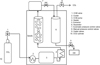 |
Fig. 1 Flow process diagram of the supercritical fluid extraction method using CO2. Source: Pantoja-Chamorro et al. (2017b). |
2.6 Fatty acids composition of O. bataua oil by GC/FID
The chemical composition of the fatty acids profile for M+E (FAME) oil was determined by gas chromatography with a flame ionization detector (GC/FID). Fatty acids were analyzed as methyl esters of fatty acids present in the sample; the method of comparing their retention times with those of the standard 37 Component FAME Mix certified reference material (AccuStandard, Inc., 125 Market Street, New Haven, CT 06513) analyzed under the same chromatographic conditions was used. The chromatographic analysis was carried out using a gas chromatograph (GC) AT 6890N (Agilent Technologies, PA, California, USA) with a flame ionization detector (FID). The injection was performed in split mode (50:1), and Viny: 2 μ L. The compounds were separated on a DB-23 Column (J & W Scientific, Folsom, CA, USA) of 50%-cyanopropyl-methylpolysiloxane with the following dimensions: 60 mx 0.25 mm × 0.25 μ m.
2.7 Analysis of volatile compounds by HS-SPME/GC-MS
The volatile profile was obtained by gas chromatography coupled to mass spectrometry (GC-MS) operated in full scan mode. The analysis of the aroma-responsible compounds, i.e., volatile organic compounds (VOCs), was carried out by simultaneous extraction-concentration of the volatile compounds in the sample using a 65 μ m thick PDMS/DVB-coated fused silica fiber with the following conditions: equilibrium time 10 min; extraction time 30 min; extraction temperature 60 °C; desorption time in the chromatographic port 10 min; desorption temperature at the injection port 250 °C (Agilent Technologies AT 6890 gas chromatograph coupled to a mass selective detector MSD, AT 5973N), operated in full scan mode; injection was performed in splitless mode with a commercial HS-SPME device. A chromatographic column DB-5MS (J & W Scientific, Folsom, CA, USA) of 5%-Ph-PDMS of dimension 60 mx 0.25 mm × 0.25 μ m was used. The presumptive identification of the compounds present in the samples (>0.1%) was based on their mass spectra (EI, 70 eV), fragmentation patterns, and comparison of the mass spectra with those included in the Adams, Wiley, and NIST databases and available reference substances.
2.8 Statistical analysis
The data were analyzed through a variance analysis using the Minitab® 19.1 program (USA), with a statistical significance (α) of P<0.05. A sampling design was used for descriptive statistics, employing the quantitative variables for fruits at each ripeness stage. Furthermore, the mean and standard deviation were determined for the percentage of mesocarp, exocarp, and seed, and the proximal M+E analysis of the O. bataua fruits.
3 Results and discussion
3.1 Morphological characterization of O. bataua fruits
Semi-ripe fruits have a dark violet color with small shades of green (Hernández-Gómez, et al., 2018) and ripe fruits have an intense violet color (Cevallos et al., 2013). According to Hernández-Gómez et al. (2018), the ripe stage of O. bataua fruits is recommended for oil extraction since these fruits have reached adequate organoleptic and physicochemical characteristics, and the separation of the exocarp, mesocarp, and seed for processing purposes is easier at this stage. In the African oil palm Elaeis guineensis, the detachment and change in color of the fruits are considered ripening indicators, criteria for planning its harvest (Henson, 2012).
Table 1 presents the morphological characteristics of the O. bataua fruits. The average length, diameter, and weight are detailed separately for semi-ripe and ripe fruits, with measurements of 3.63 cm, 2.29 cm, and 13.24 g for semi-ripe fruits and 3.64 cm, 2.40 cm, and 14.01 g for ripe fruits, respectively. The means of the three variables are slightly similar in the two ripening stages, indicating that the fruit in both has likely completed cell differentiation, reaching its final size. In the Peruvian Amazon, Quispe-Jacobo et al. (2009) reported average length (3.35 cm) and diameter (2.25 cm) values similar to the ones found in the current study; however, weight values were lower (11.06 g). Likewise, Hernandez-Gómez et al. (2018) reported similar values in the Colombian Amazon for length (3.36 cm) and diameter (2.57 cm), along with lower values for weight (10.08 g).
In a sample of 80 fruits (Tab. 2), the proportions of seed, mesocarp, and exocarp were determined from the weight (g) of the fruit and expressed as a percentage. Results show that the seed represents the highest percentage (68.57%) of the fruit, followed by the exocarp (20.14%) and, the mesocarp (11.36%). The combined percentage for exocarp and mesocarp (M+E) was 31.5%. These results are similar to those reported by Cotos et al. (2020), who found average values of 63.08% for the seed and 35.09% for the M+E. However, the M+E values of O. bataua were higher than those reported for Euterpe precatoria (açaí), which constitutes only 17% of the fruit (Ortega-Romero et al., 2015), demonstrating a greater potential than açaí, a species that is already widely recognized at the agro-industrial level.
Morphological evaluation of Oenocarpus bataua fruits in two maturity stages.
Morphological evaluation of ripe Oenocarpus bataua fruits.
3.2 Proximate chemical analysis of the mesocarp and exocarp of O. bataua fruits
Table 3 presents the results of the analysis of fats (21.66 ± 2.70%), ash (1.95 ± 0.05%), and proteins (6.7 ± 0.39%), which were higher in ripe fruits; however, moisture was higher in semi-ripe fruits (5.52 ± 0.05%). The fat content in the two stages was different, registering a higher concentration in the ripe stage (21.66 ± 2.70%). The fat content values in the current study are similar to those reported by Quispe-Jacobo et al. (2009), who registered 21.77 ± 0.176%, and higher than those found by Darnet et al. (2011), who reported 14.4 ± 0.04%.
Ash values indicate the presence of minerals. In this study, there was no significant difference for p=0.0067, registering lower values than those reported by De Marcano et al. (2004) (2.21 ± 0.09%). Protein content in the two ripening stages shows a highly significant difference, with the ripe stage showing the highest proportion (6.7 ± 0.39%); however, it is a lower value than that reported by De Marcano et al. (2004) (8.17 ± 0.04%) but higher than the one found by Darnet et al. (2011) (3.32 ± 0.26%). The F-test of the ANOVA for both ripening stages was highly significant (p<0.0001).
Proximal composition of the mesocarp (pulp) + exocarp (peel) of semi-ripe and ripe Oenocarpus bataua fruits.
3.3 Supercritical CO2 extraction yield
For this study, the average particle size of the M+E of ripe and semi-ripe fruits obtained was 2.23 ± 1.84 mm. Figure 2 shows the oil extraction kinetics curves of the two fruit ripening stages (semi-ripe and ripe) as a function of time (min) on the response variable yield (%) under the following conditions: T=50 °C and P=34 MPa. Sovová et al.’s (2006) was applied to described the kinetics of supercritical CO2 extraction. The adjusted model parameters are shown in Table 4.
The oil yield extracted from semi-ripe fruits (12.48%) was lower than that of ripe fruits (17.99%) after 320 min of extraction. When comparing the two curves, the percentage of oil extracted from ripe fruits increases progressively from the beginning and persisted until 220 min, recovering to 86.61% (extraction yield of 15,58). However, the data fit falls short in predicting the inflection point. By contrast, after 140 min, the percentage of oil decreased significantly for semi-ripe fruit, achieving 80% of the oil contained in the M+E of the O. bataua fruit during this extraction time. The model by Sovová et al. (2006) described 97.24% (ripe fruit) and 96% (semi-ripe fruit) oil extraction kinetics of M+E of the O. bataua fruit at 34 MPa/50 °C, indicating that it is a suitable model. The model simulates the extraction of two solutes. The first solute in the yield e 1 is completely mixed with the solvent, and the solubility of the second solute in the solvent is k 2, have lower values, which could indicate that a certain amount of M+E oil from O. bataua fruit was partility dissolved in SC- CO2 and became a component of the second solute. This is shown in Figure 2: after 140 min, the yield begins its decrease, showing that the solute has a higher affinity with the solid matrix than with the solvent (Sovová et al., 2006).
According to Pantoja-Chamorro et al. (2017a), at the industrial level, it is not profitable to carry out processes that involve long extraction times; therefore, according to this study, a significant percentage of oil (76.82%) was recovered from ripe fruits after 180 min, indicating an optimal extraction time. In a study carried out with Oenoarpus bacaba, Pinto et al. (2018) found that the highest yield of 60.39% was obtained at 60 °C/40 Mpa under slightly similar conditions. In contrast, Chañi-Paucar et al. (2021) with Mauritia flexuosa, only achieved a yield of 36.2% employing the same conditions (60 °C/40 MPa). Further, for Euterpe oleracea, the best yield of 45.4% was obtained at 70 °C/49 MPa (De Cássia Rodrigues et al., 2015).
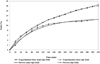 |
Fig. 2 Supercritical extraction kinetic curve of the mesocarp+exocarp ripe and semi-ripe O. bataua fruits oil: 34 MPa/50 °C. |
3.4 Fatty acid composition of O. bataua oil
Table 5 shows the fatty acid composition of M+E oil extracted from semi-ripe and ripe fruits, predominating oleic acid (87.6% and 81.2%, respectively) followed by palmitic acid (8.2% and 11.9%, respectively) and unsaturated fatty acids, especially linoleic ω−6 (2.1% and 2.4%, respectively) and linolenic ω−3(0.6% only found in ripe fruits). These are considered essential fatty acids. Therefore, this oil has the potential to be used in the food, cosmetics, and pharmaceutical industries. Unsaturated fatty acids, mainly oleic and linoleic acids, which include monounsaturated (MUFA) and polyunsaturated (PUFA) acids, represent 90.3% of the total fatty acids in the M+E oil extracted from semi-ripe fruits and 84.9% of the total fatty acids in the M+E oil extracted from ripe fruits. The results indicate that the oil obtained is of high quality regardless of the ripeness stage of the O. bataua fruits, especially in unsaturated fatty acids.
The saturated fatty acids (SFA) in the semi-ripe and ripe fruits analyzed represent 9.5% and 14.4%, respectively, with palmitic and stearic acids being the most prevalent. In the cosmetics industry, palmitic, oleic, and stearic acids are used in dermo-cosmetics, given their effectiveness as emollients (Ogorzalek et al., 2024). By using other extraction methods to obtain the oil of O. bataua, Vasconcelos dos Santos (2019) reported a slightly lower percentage of oleic acid (71.79%) but higher values of stearic (13.53%) and linoleic (4.72%) acids. Likewise, Pereira et al. (2020) reported slightly lower values of oleic acid (74.18%) and similar percentages of linolenic acid (0.51%). For their part, Carrillo et al. (2018) and Serra et al. (2019) found slightly similar percentages of oleic acid (82.03% and 78.46%, respectively). The fatty acid composition of O. bataua oil is similar to olive oil, mainly in the oleic acid content, an important source of unsaturated fatty acids (Carrillo et al., 2018).
In this study, O. bataua oil extracted using the supercritical CO2 extraction method was compared with that extracted from other palm species using this same method because there are no reports in the literature for O. bataua. Therefore, it is evident that there are differences in the composition of fatty acids and other bioactive compounds. Pinto et al. (2018) reported 61.59% of MUFA for Oenocarpus bacaba oil extracted at 29 MPa/40 °C, with oleic acid predominating (61.16%), and 11.58% of PUFA. For Oenocarpus distichus, Cunha et al. (2019) evaluated extraction conditions with pressures between 15−35 MPa at 50 °C and 19−42 MPa at 60 °C for 180 min. The authors found no significant difference in the qualitative composition of MUFA and PUFA fatty acids. In terms of quantity, oleic fatty acid stood out regardless of the extraction conditions (≅ 66%). Likewise, de Oliveira et al. (2019) found that in the oil extracted with supercritical CO2 from Orbignya phalerata seeds, the fatty acid composition varied very little depending on the temperatures (40−80 °C) and pressures (25 and 35 MPa) evaluated. Therefore, there was no correlation between pressure and temperature with the concentration of fatty acids. For their part, De Cássia-Rodrigues et al. (2015) determined the fatty acids in the fruit of Euterpe Oleracea under pressure conditions between 15−49 MPa and temperature between 50 and 70 °C, and found that the standard deviation was lower than 1.8%. Furthermore, Teixeira-Costa et al. (2016) evaluated the fatty acid profile in two varieties of tucuma, Astrocaryum aculeatum and Astrocaryum vulgare, with temperatures between 40−60 °C. They found that unsaturated acids are predominant, highlighting oleic acid, with average ranges between 73.81 and 71.97% for Astrocaryum aculeatum, regardless of the extraction temperature. Similarly, for Astrocaryum vulgare, the presence of palmitic acid did not vary, indicating a low influence of temperature on the quality of the oil obtained from both species. Pinto et al. (2018), in a study with Oenocarpus bacaba at temperatures of 40 and 60 °C and pressure between 12 and 42 MPa, found that an increase in temperature and pressure improved oil yield. However, the lipid profile composition did not show significant differences in the predominant fatty acids with respect to changes in pressure and temperature. The increase in temperature affects the density of the supercritical fluid, which reduces extraction efficiencies. Nonetheless, it increases the volatility of the compounds, which leads to improved mass transfer and solubility of the components (Cvitković et al., 2024).
Fatty acids composition of oil extracted from the mesocarp+exocarp of ripe and semi-ripe O. bataua fruits.
3.5 Chemical composition analysis of the volatile fraction of oil extracted from M+E of O. bataua ripe fruits
The aroma and flavor of virgin oils depend mainly on their volatile compounds. However, there is insufficient literature on studies identifying volatile compounds for O. bataua oil. Hence, in the current study, the HS-SPME/GC-MS analysis of the volatile fraction of O. bataua oil obtained by SC-CO2 indicated the presence of 11 compounds listed in Table 6. The volatile fraction registered mainly alcohols (3), acids (3), terpenes (2), and aldehydes (3). Ethanol is the most abundant (33.2%), followed by phenylethyl alcohol (17.8%) and 3-methylbutanoic acid (16.1%). Limonene (8.4%) and 2-methylbutanoic acid (7.0%) were also found in a smaller proportion. In olive oil, volatile compounds have been widely studied and are responsible for various sensory properties, which can influence quality. Sensory defects are commonly related to chemical oxidation and exogenous enzymes involved in microbial activity (Gomes da Silva et al., 2012). The flavor and aroma of olive oil are characterized by being mild, fruity, and slightly bitter (Fernandes-Silva et al., 2013); Kiritsakis (1998) reported that volatile organic compounds belonging to chemical classes such as aliphatic and triterpenic alcohols, aldehydes, ketones, ethers, and esters are responsible for these flavors and aromas. Phenylethyl alcohol (PEA) is an aromatic compound found naturally in flowers, including roses, geraniums, orange blossoms, hyacinths, champak, and grape skin. It is valuable at the industrial level since it provides various flavors and odors (Perestrelo et al., 2006) and has antioxidant and microbial properties. In a study by Sirilun et al. (2017), the authors found that PEA reduces microbial growth in cosmetic formulations during storage, highlighting it as an alternative to traditional chemical preservatives. Oenocarpus bataua oil is characterized by having a soft, sweet, and slightly fruity aroma; possibly, its aroma is influenced by this aromatic alcohol. 3-Methylbutanoic acid, also known as isovaleric acid, and its volatile esters, have pleasant aromas and are used in perfumery. According to Perez-Santana et al. (2020), in a study carried out with cacao, 3-methylbutanoic acid, 2-methylbutanoic acid, and phenylacetaldehyde are the components responsible for the aroma. On the other hand, in olive oil, 3-methylbutanoic and 2-methylbutanoic acids are generally associated with an unpleasant “rancid” odor and are usually related to damage or improper storage of olives or due to microbial fermentation (Cecchi et al., 2022). In this study, the presence of these isovaleric acids probably indicate a slight deterioration of the oil. Limonene is a monocyclic monoterpene compound primarily found in citrus fruit peels and is a natural antioxidant used as a flavor and fragrance additive in different consumer products such as cosmetics and skin care, soap, detergents and beverages (Himed et al., 2019). The presence of limonene in O. bataua oil could be contributing to the citrus note of its fruity aroma.
Identification of volatile compounds from Oenocarpus bataua oil obtained from the mesocarp+exocarp of ripe fruits.
4 Conclusions
The characterization of the O. bataua palm fruit confirmed its potential for agro-industrial use, using physiologically ripe fruits since a better extraction of the oil contained in the mesocarp and exocarp can be obtained. The semi-empirical model of Sovová et al. (2006) described 97,24% of the experimental data behavior of extraction kinetics. In the fatty acid profile of the oil extracted from M+E of semi-ripe and ripe fruits, unsaturated fatty acids, such as oleic, palmitic, and linoleic acid ω−6 and linolenic acid ω−3 (only found in ripe fruits), predominate. These are considered essential fatty acids, showing the efficiency of the SC-CO2 method at 50 °C/34 MPa to produce high-quality oil. The high levels of monounsaturated and polyunsaturated fatty acids found in the oil of O. bataua represent a potential usage of the oil present in the mesocarp and exocarp of these fruits as an important natural ingredient in the cosmetics, pharmaceutical, and food industries. The volatile fraction of the oil obtained using the supercritical CO2 method contains chemical compounds, most notably phenylethyl alcohol, 3-methylbutanoic acid, 2-methylbutanoic acid, and phenylacetaldehyde, which, together, most likely provide the sweet, and fruity aroma typical of this oil. Studies aimed at identifying volatile compounds in palm oils obtained by SC-CO2 appear to be limited or non-existent. Therefore, the analysis of volatiles in this study provides the basis for future research on O. bataua oil and other palms of importance in the pharmaceutical, food, and cosmetics industries.
Acknowledgments
This work was supported by Minciencias Colombia, Universidad del Tolima, and Fondo Fundación WWB Colombia para la Investigación.
Conflicts of interest
The authors declare that they have no conflicts of interest concerning this work.
References
- AOAC. 2005. Official method of analysis, 18th ed. Association of Official Analytical Chemists International. [Google Scholar]
- Arumugham T, Rambabu K, Hassan SW, Show PL, Rinklebe J, Banat F. 2021. Supercritical carbon dioxide extraction of plant phytochemicals for biological and environmental applications – a review. Chemosphere 271. https://doi.org/10.1016/j.chemosphere.2020.129525. [Google Scholar]
- Bravo K, Quintero C, Agudelo C, García S, Bríñez A, Osorio E. 2020. CosIng database analysis and experimental studies to promote Latin American plant biodiversity for cosmetic use. Ind Crops Prod 144(July 2019): 112007. https://doi.org/10.1016/j.indcrop.2019.112007. [Google Scholar]
- Cardona-Jaramillo JEC, Carrillo-Bautista MO, Alvarez-Solano OA, Achenie LEK, González-Barrios AF. 2019. Impact of the mode of extraction on the lipidomic profile of oils obtained from selected amazonian fruits. Biomolecules 9(8): 329, 2–12. https://doi.org/10.3390/biom9080329. [Google Scholar]
- Carrillo W, Carpio C, Morales D, Álvarez M, Silva M. 2018. Fatty acids content in ungurahua oil (Oenocarpus bataua) from ecuador. findings on adulteration of ungurahua oil in Ecuador. Asian J Pharm Clin Res 11(2): 391–394. https://doi.org/10.22159/ajpcr.2018.v11i2.16967. [Google Scholar]
- Carvalhães-Lago J, Zimbardi D, Sanches-Scanavez De Paula CM, et al. 2021. Plant lipid composition for promoting hair growth, method for promoting hair growth and use of said plant lipids (Patent No. 11071708). [Google Scholar]
- Cecchi L, Migliorini M, Giambanelli E, et al. 2022. Exploitation of virgin olive oil byproducts (Olea europaea L.): phenolic and volatile compounds transformations phenomena in fresh two-phase olive pomace (‘alperujo’) under different storage conditions. J Sci Food Agric 102(6): 2515–2525. https://doi.org/10.1002/jsfa.11593. [Google Scholar]
- Cevallos D, Valencia R, Montúfar R. 2013. Capítulo 15. Ungurahua. Oenocarpus bataua. In Palmas Ecuatorianas: Biologia y Uso Sostenible (Issue January 2017). [Google Scholar]
- Chañi-Paucar LO, Yali ET, Maceda-Santivañez JC, Garcia DA, Jonher JCF, Meireles AA. 2021. Supercritical fluid extraction from aguaje (mauritia flexuosa) pulp: overall yield, kinetic, fatty acid profile, and qualitative phytochemical profile. Open Food Sci J 13(1): 1–11. https://doi.org/10.2174/1874256402113010001. [Google Scholar]
- Copete JC, Ledezma-Renteria E, Pino-Benítez N. 2024. Estructura poblacional y produccion de frutos del milpesos (Oenocarpus bataua Mart.) en el Pacífico Colombiano. Biota Colomb 25: 10. https://doi.org/10.21068/c001. [Google Scholar]
- Cotos MRC, Hameed IH, Escajadillo SBE, Llica ER, Figueroa MGR, Olivera Garcia JE. 2020. Macronutrients, polyphenols and antioxidant capacity of the peel and pulp of the fruit Oenocarpus bataua mart. “Ungurahui.” Res J Pharm Technol 13(5): 2192–2198. https://doi.org/10.5958/0974-360X.2020.00394.7. [Google Scholar]
- Cunha VMB, da Silva MP, de Sousa SHB, et al. 2019. Bacaba-de-leque (Oenocarpus distichus Mart.) oil extraction using supercritical CO2 and bioactive compounds determination in the residual pulp. J Supercrit Fluids 144(August 2018): 81–90. https://doi.org/10.1016/j.supflu.2018.10.010. [Google Scholar]
- Cvitković D, Škarica I, Dragović-Uzelac V, Balbino S. 2024. Supercritical CO2 extraction of fatty acids, phytosterols, and volatiles from myrtle (Myrtus communis L.) fruit. Molecules 29(8). https://doi.org/10.3390/molecules29081755. [Google Scholar]
- Darnet SH, Helena L, Manoel A, Lins RT. 2011. Nutritional composition, fatty acid and tocopherol contents of buriti (Mauritia flexuosa) and patawa (Oenocarpus bataua) fruit pulp from the Amazon region. Cienc Tecnol Aliment Campinas Tecnol Aliment Campinas 31(2): 488–491. https://doi.org/10.1590/S0101-2061201100020003. [Google Scholar]
- De Cássia Rodrigues-Batista C, De Oliveira MS, Araújo ME, et al. 2015. Supercritical CO2 extraction of açaí (Euterpe oleracea) berry oil: Global yield, fatty acids, allelopathic activities, and determination of phenolic and anthocyanins total compounds in the residual pulp. J Supercrit Fluids 107: 364–369. https://doi.org/10.1016/j.supflu.2015.10.006. [Google Scholar]
- De Marcano PES, Belén D, Jiménez N, Pino K. 2004. Características físicoquímicas del aceite de la semilla de la coroba (jessenia polycarpa karst). Grasas y Aceites 55(4): 423–427. [Google Scholar]
- de Oliveira NA, Mazzali MR, Fukumasu H, Gonçalves CB, de Oliveira AL. 2019. Composition and physical properties of babassu seed (Orbignya phalerata) oil obtained by supercritical CO2 extraction. J Supercrit Fluids 150: 21–29. https://doi.org/10.1016/j.supflu.2019.04.009. [Google Scholar]
- Fernandes-Silva AA, Falco V, Correia CM, Villalobos FJ. 2013. Sensory analysis and volatile compounds of olive oil (cv. Cobrançosa) from different irrigation regimes. Grasas y Aceites 64(1): 59–67. https://doi.org/10.3989/gya.069712. [Google Scholar]
- García H, Moreno LA, Londoño C, Sofrony C. 2010. Estrategia Nacional para la Conservación de Plantas: actualización de los antecedentes normativos y políticos, y revisión de avances. Instituto de Investigación de Recursos Biológicos Alexander von Humboldt y Red Nacional de Jardines Botánicos. https://doi.org/10.21068/b001.2016.304. [Google Scholar]
- Gomes da Silva MDR, Costa-Freitas AM, Cabrita BMJB, Garcia R. 2012. Olive oil composition: volatile compounds. Olive Oil – Constituents, Quality, Health Properties and Bioconversions, June 2014. https://doi.org/10.5772/28512. [Google Scholar]
- Guzmán E, Lucia A. 2021. Essential oils and their individual components in cosmetic products. Cosmetics 8(4). https://doi.org/10.3390/cosmetics8040114. [Google Scholar]
- Henson IE. 2012. Ripening, harvesting, and transport of oil palm bunches. Palm Oil: Prod Process Charact Uses 137-162. https://doi.org/10.1016/B978-0-9818936-9-3.50008-3. [Google Scholar]
- Hernández-Gómez SM, Castro-Rodríguez SY, Giraldo-Benavides B, Barrera-García J. 2018. Seje, Moriche y Asaí Palmas amazónicas con potencial. In: Instituto Amazónico de Investigaciones Científicas SINCHI. [Google Scholar]
- Hernández PBN, Fregapane G, Moya MDS. 2009. Bioactive compounds, volatiles and antioxidant activity of virgin seje oils (Jessenia bataua) from the Amazonas. J Food Lipids 16(4): 629–644. https://doi.org/10.1111/j.1745-4522.2009.01171.x. [Google Scholar]
- Himed L, Merniz S, Monteagudo-Olivan R, Barkat M, Coronas J. 2019. Antioxidant activity of the essential oil of citrus limon before and after its encapsulation in amorphous SiO2. Sci Afr 6: e00181. https://doi.org/10.1016/j.sciaf.2019.e00181. [Google Scholar]
- Holdridge LR. 1978. Ecología basada en zonas de vida. In: Libro: Vol. I (Issue 1978). IICA. http://repositorio.iica.int/handle/11324/7936. [Google Scholar]
- Jaramillo-Vivanco T, Balslev H, Montúfar R, et al. 2022. Three Amazonian palms as underestimated and little-known sources of nutrients, bioactive compounds and edible insects. Food Chem 372(September 2021). https://doi.org/10.1016/j.foodchem.2021.131273. [Google Scholar]
- Jiménez-Tamayo FM, Vinocunga-Pillajo RD, Gómez-Zurita SN. 2024. Formulación de un champú sólido con aceite de Oenocarpus bataua, manteca de cacao y Cinchona officinalis. Revista Científica y Tecnológica UPSE 11(2): 26–35 https://doi.org/http://doi.org/10.26423/rctu.v11i2.844. [Google Scholar]
- Kate AE, Singh A, Shahi NC, Pandey JP, Praskash OM, Singh TP. 2016. Novel ecofriendly techniques for extraction of food based lipophilic compounds from biological materials. Nat Prod Chem Res 4(5). https://doi.org/10.4172/2329-6836.1000231. [Google Scholar]
- Kiritsakis AK. 1998. Flavor components of olive oil – a review. JAOCS, J Am Oil Chem Soc 75(6): 673–681. https://doi.org/10.1007/s11746-998-0205-6. [Google Scholar]
- Maruki-Uchida H, Morita M, Yonei Y, Sai M. 2018. Effect of passion fruit seed extract rich in piceatannol on the skin of women: a randomized, placebo-controlled, doubleblind trial. J Nutr Sci Vitaminol 64(1): 75–80. https://doi.org/10.3177/jnsv.64.75. [Google Scholar]
- Montúfar-Galárraga R, Brokamp G. 2017. Palmeras aceiteras del Ecuador: estado del arte en la investigación de nuevos recursos oleaginosos provenientes del bosque tropical. Revista Ecuatoriana de Medicina y Ciencias Biológicas, 32(1-2): 93. https://doi.org/10.26807/remcb.v32i1-2.216. [Google Scholar]
- Muñoz AM, Casimiro-Gonzales S, Gómez-Coca RB, et al. 2022. Comparison of four oil extraction methods for sinami fruit (Oenocarpus mapora H. Karst): evaluating quality, polyphenol content and antioxidant activity. Foods 11(10): 1518. https://doi.org/10.3390/foods11101518. [Google Scholar]
- Mushtaq M, Akram S, Hasany SM. 2019. Seje (Oenocarpus/Jessenia bataua) Palm Oil. Fruit Oils: Chem Funct. https://doi.org/10.1007/978-3-030-12473-1. [Google Scholar]
- Narváez-Cuenca CE, Inampues-Charfuelan ML, Hurtado-Benavides AM, Parada-Alfonso F, Vincken JP. 2020. The phenolic compounds, tocopherols, and phytosterols in the edible oil of guava (Psidium guava) seeds obtained by supercritical CO2 extraction. J Food Compos Anal 89. https://doi.org/10.1016/j.jfca.2020.103467. [Google Scholar]
- Ocampo-Duran A, Fernández-Lavado A, Castro-Lima F. 2013. Aceite de la palma de seje Oenocarpus bataua Mart. por su calidad nutricional puede contribuir a la conservación y uso sostenible de los bosques de galería en la Orinoquia Colombiana. Orinoquia 17(2): 215–229. https://doi.org/10.22579/20112629.20. [Google Scholar]
- Ogorzałek M, Klimaszewska E, Mirowski M, Kulawik-Pióro A, Tomasiuk R. 2024. Natural or synthetic emollients? Physicochemical properties of body oils in relation to selected parameters of epidermal barrier function. Appl Sci 14: 2783. https://doi.org/10.3390/app14072783. [Google Scholar]
- Oliveira BPP, Rodrigues F. 2018. Plant extracts in skin care products. In: Plant Extracts in Skin Care Products. https://doi.org/10.3390/books978-3-03897-161-0. [Google Scholar]
- Ortega-Romero E, Jurado-Teixeira B, Ramos-Llica E, Zamudio-Malpatida K, AparicioAquise E. 2015. Caracterización fisicoquímica y evaluación de la actividad antioxidante del aceite de Euterpe precatoria Mart. obtenido por diferentes métodos de extracción. Scielo 81(1): 33–43. https://doi.org/10.37761/rsqp.v81i1.8. [Google Scholar]
- Pantoja-Chamorro AL, Hurtado-Benavides AM, Martinez-Correa HA. 2017a. Caracterización de aceite de semillas de maracuyá (Passiflora edulis Sims.) procedentes de residuos agroindustriales obtenido con CO2 supercrítico. Acta Agron 66(2): 178–185. https://doi.org/10.15446/acag.v66n2.57786. [Google Scholar]
- Pantoja-Chamorro AL, Hurtado-Benavides AM, Martínez-Correa HA. 2017b. Evaluación del Rendimiento, Composición y Actividad Antioxidante de Aceite de Semillas de Mora (Rubus glaucus) Extraído con CO2 Supercrítico. Inf Technol 28(1): 35–46. https://doi.org/10.4067/S0718-07642017000100005. [Google Scholar]
- Pereira E, Pereira DTV, Ferreira MC, Martínez J, Meirelles AJA, Maximo GJ. 2020. Deacidification of Amazonian Pracaxi (Pentaclethra macroloba) and Patawa (Oenocarpus bataua) oils: experimental and modeling of liquid-liquid extraction using alcoholic solvents. Braz J Chem Eng 37(4): 783–794. https://doi.org/10.1007/s43153-020-00051-9. [Google Scholar]
- Perestrelo R, Fernandes A, Albuquerque FF, Marques JC, Câmara JS. 2006. Analytical characterization of the aroma of Tinta Negra Mole red wine: Identification of the main odorants compounds. Anal Chimica Acta 563(1-2 SPEC. ISS.): 154–164. https://doi.org/10.1016/j.aca.2005.10.023. [Google Scholar]
- Perez-Santana D, Perez JC, Pino JA. (2020). Caracterización de los compuestos volátiles de la cascarilla del grano de cacao tostado. Ciencia y Tecnologia de Alimentos, 30(3): 1522. https://doi.org/10.3989/arbor.2000.i653.1004. [Google Scholar]
- Pinto RHH, Sena C, Santos OV, Da Costa WA, Rodrigues AMC, Carvalho RN. 2018. Extraction of bacaba (oenocarpus bacaba) oil with supercritical CO2: Global yield isotherms, fatty acid composition, functional quality, oxidative stability, spectroscopic profile and antioxidant activity. Grasas y Aceites, 69(2). https://doi.org/10.3989/gya.0883171. [Google Scholar]
- Quispe-Jacobo F, Ayala-Rojas M, Ingunza-Reyes G, Landeo-Pino E, Pascual-Chagman G. 2009. Caracterización de aceites, tortas y harinas de frutos de Ungurahui (Jessenia polycarpa) y Aguaje (Mauritia flexuosa L.) de la Amazonía Peruana. Rev Soc Quím Perú. 75(2): 243–253. http://www.scielo.org.pe/pdf/rsqp/v75n2/a12v75n2.pdf. [Google Scholar]
- Radzali SA, Markom M, Saleh NM. 2020. Co-solvent selection for supercritical fluid extraction (SFE) of phenolic compounds from Labisia pumila. Molecules 25(24): 115. https://doi.org/10.3390/molecules25245859. [Google Scholar]
- Serra JL, Rodrigues AM da C, de Freitas RA, Meirelles AJ de A, Darnet SH, Silva LHM da. 2019. Alternative sources of oils and fats from Amazonian plants: Fatty acids, methyl tocols, total carotenoids and chemical composition. Food Res Int 116(July 2018): 12–19. https://doi.org/10.1016/j.foodres.2018.12.028. [Google Scholar]
- Silviera Agostini-Costa T. 2018. Bioactive compounds and health benefits of some palm species traditionally used in Africa and the Americas – A review. J Ethnopharmacol 224(May): 202–229. https://doi.org/10.1016/j.jep.2018.05.035. [Google Scholar]
- Sirilun S, Chaiyasut C, Sivamaruthi BS, Peerajan S, Kumar N, Kesika P. 2017. Phenethyl alcohol is an effective non-traditional preservative agent for cosmetic preparations. Asian J Pharm Clin Res 10(8): 129–133. https://doi.org/10.22159/ajpcr.2017.v10i8.18572. [Google Scholar]
- Sovová H, Aleksovski SA, Bocevska M, Stateva RP. 2006. Supercritical fluid extraction of essential oils-Results of joint research. Chem Ind Chem Eng Quart 12(3): 168–174. https://doi.org/10.2298/CICEQ0603168S. [Google Scholar]
- Teixeira-Costa BE, Vasconcelos dos Santos O, Fernandes-Corrêa NC, Ferreira de França L. 2016. Comparative study on the quality of oil extracted from two tucumá varieties using supercritical carbon dioxide. Food Sci Technol (Brazil) 36(2): 322–328. https://doi.org/10.1590/1678-457X.0094. [Google Scholar]
- Turola-Barbi RC, de Souza ARC, de Melo AM, Teixeira GL, Corazza ML, Hoffmann Ribani R. 2020. Fatty acid profile and lipid quality of Maximiliana maripa oil obtained by supercritical CO2 and pressurized ethanol. J Supercrit Fluids 165. https://doi.org/10.1016/j.supflu.2020.104979. [Google Scholar]
- Vasconcelos dos Santos O, Santos Gonçalves B, da Silva Macêdo C, et al. 2019. Evaluation of quality parameters and chromatographic, spectroscopic, and thermogravimetric profile of Patauá oil (Oenocarpus bataua). Food Sci Technol 2061: 1–7. https://doi.org/10.1590/fst.01619. [Google Scholar]
- Vaughn AR, Clark AK, Sivamani RK, Shi VY. 2018. Natural oils for skin-barrier repair: ancient compounds now backed by modern science. Am J Clin Dermatol 19(1): 103117. https://doi.org/10.1007/s40257-017-0301-1. [Google Scholar]
- Zhang QW, Lin LG, Ye WC. 2018. Techniques for extraction and isolation of natural products: A comprehensive review. Chinese Med (United Kingdom) 13(1): 1–26. https://doi.org/10.1186/s13020-018-0177-x. [Google Scholar]
- Zhou J, Gullón B, Wang M, Gullón P, Lorenzo JM, Barba FJ. 2021. The application of supercritical fluids technology to recover healthy valuable compounds from marine and agricultural food processing by-products: a review. Processes 9(2): 1–23. https://doi.org/10.3390/pr9020357. [Google Scholar]
Cite this article as: Rojas-Álvarez L, Hurtado-Benavides AM, Mejía-España DF, Sandoval-Aldana AP, Forero-Peña LA. 2025. Lipid profile of Oenocarpus bataua Mart. oil extracted by supercritical fluid-CO2 from fruits in two ripeness stages in Bajo Calima, Buenaventura, Colombia. OCL 32: 38. https://doi.org/10.1051/ocl/2025035
All Tables
Proximal composition of the mesocarp (pulp) + exocarp (peel) of semi-ripe and ripe Oenocarpus bataua fruits.
Fatty acids composition of oil extracted from the mesocarp+exocarp of ripe and semi-ripe O. bataua fruits.
Identification of volatile compounds from Oenocarpus bataua oil obtained from the mesocarp+exocarp of ripe fruits.
All Figures
|
Fig. 1 Flow process diagram of the supercritical fluid extraction method using CO2. Source: Pantoja-Chamorro et al. (2017b). |
| In the text | |
|
Fig. 2 Supercritical extraction kinetic curve of the mesocarp+exocarp ripe and semi-ripe O. bataua fruits oil: 34 MPa/50 °C. |
| In the text | |
Current usage metrics show cumulative count of Article Views (full-text article views including HTML views, PDF and ePub downloads, according to the available data) and Abstracts Views on Vision4Press platform.
Data correspond to usage on the plateform after 2015. The current usage metrics is available 48-96 hours after online publication and is updated daily on week days.
Initial download of the metrics may take a while.