




| Issue |
OCL
Volume 32, 2025
Lipids and health / Lipides et santé
|
|
|---|---|---|
| Article Number | 36 | |
| Number of page(s) | 16 | |
| DOI | https://doi.org/10.1051/ocl/2025032 | |
| Published online | 28 November 2025 | |
Review
Idiopathic focal epilepsy in children and adolescents: roles of perinatal pain, amyloid-β oligomers and DHA (omega-3 fatty acid) deficiency☆
Épilepsie focale idiopathique chez les enfants et les adolescents : rôles de la souffrance périnatale, des oligomères amyloïdiques β et de la carence en DHA (acide gras oméga-3)
ACTIA, 149, rue de Bercy, 75595 Paris Cedex 12, France
* Corresponding author: d.majou@actia-asso.eu
Received:
16
May
2025
Accepted:
7
October
2025
In children and adolescents, epilepsy is a chronic disease characterized by the paroxysmal onset of seizures resulting from abnormal cellular excitability. Idiopathic epilepsy is a disease of apparent spontaneous origin whose cause or mechanism is unknown. This opinion review describes the pathogenetic mechanisms behind epilepsy, as well as its generating and aggravating factors. A triggering factor is perinatal pain that generates amyloid-β (Aβ) oligomers that is not completely eliminated. An aggravating factor is a deficiency of DHA — due to diet or specific FADS2 alleles (Δ6-desaturase gene) — which is a preferential ligand of the PPARα-RXRα and PPARɣ-RXRα heterodimers. These two factors have impacts on the glutamatergic pathways: (i) metabolic homeostasis as a function of stimulation (regional blood flow); (ii) flow rate of GLUT-1 transporters (glucose, ascorbic acid precursor); (iii) regulation of oxidative stress; (iv) repair of oxidative injuries; (v) priority given to the non-amyloidogenic pathway; (vi) proteolysis of Aβ residues and their removal. The originality of this approach resides in particular in highlighting the fundamental role played by DHA. Understanding the risk factors can help prevent epilepsy onset, decrease epilepsy prevalence in children and adolescents and aid healthcare professionals in identifying high-risk populations and making plausible preventive nutritional measures based on DHA supplementation very early.
Résumé
Chez les enfants et les adolescents, l’épilepsie est une maladie chronique caractérisée par l’apparition paroxystique de crises résultant d’une excitabilité neuronale anormale. Une épilepsie idiopathique est une maladie dont la cause ou le mécanisme est inconnu et dont l’origine est apparemment spontanée. Cette revue d’opinion décrit les mécanismes pathogéniques, ainsi que les facteurs générateurs et aggravants. Un facteur déclenchant est une souffrance périnatale qui génère des oligomères peptidiques amyloïdes-β (Aβ) qui ne sont pas éliminés. Un facteur aggravant est la carence en DHA (alimentation, allèles spécifiques FADS2 − gène de la Δ6-désaturase) en tant que ligand préférentiel des hétérodimères PPARα-RXRα et PPARɣ-RXRα. Ces deux facteurs ont des répercussions sur les voies glutamatergiques : (i) homéostasie métabolique en fonction de la stimulation (débit sanguin régional); (ii) débit des transporteurs GLUT-1 (glucose, précurseur de l’acide ascorbique); (iii) réparation des lésions oxydatives; (iv) priorité donnée à la voie non amyloïdogène; (v) protéolyse des résidus Aβ et leur élimination. L’originalité de cette approche réside notamment dans la mise en évidence du rôle fondamental joué par le DHA. La compréhension des facteurs de risque peut permettre de prévenir l’apparition de l’épilepsie, de diminuer sa prévalence chez l’enfant et l’adolescent, ainsi qu’à aider les professionnels de santé à identifier les populations à risque et à mettre en place des mesures nutritionnelles préventives plausibles basées sur une supplémentation en DHA très précoce.
Key words: Epilepsy / perinatal pain / amyloid β / DHA depletion / PPAR-RXR / mechanisms
Mots clés : Épilepsie / souffrance périnatale / amyloïdes β / Déficience en DHA / PPAR-RXR / mécanismes
© D. Majou and A.-L. Dermenghem, Published by EDP Sciences, 2025
 This is an Open Access article distributed under the terms of the Creative Commons Attribution License (https://creativecommons.org/licenses/by/4.0), which permits unrestricted use, distribution, and reproduction in any medium, provided the original work is properly cited.
Highlights
A triggering factor is a perinatal pain that generates amyloid-β peptide oligomers (Aβ) that are not completely eliminated.
Depletion DHA is an aggravating factor (diet, specific FADS2 alleles-Δ6-desaturase gene).
These two factors have impacts on the glutamatergic pathways.
DHA acts as a preferential ligand of the PPARα-RXRα and PPARɣ-RXRα heterodimers.
1 Introduction
In children and adolescents, epilepsy is a neurological disease that affects the functioning of the central nervous system. This chronic disease is characterized by the paroxysmal onset of seizures, which vary in nature depending on the patient. An epileptic seizure occurs due to abnormally prolonged electrical activity in a group of neurons in the cerebral cortex. In the case of an epileptic seizure, neurons become hyperexcitable, i.e., a single stimulation leads not to an action potential but to a repeated series of action potentials with no rest period. During seizures, hyperexcitability is frequently associated with hypersynchrony, with several groups of neurons generating trains of action potential at the same time and at the same rhythm, amplifying the intensity of symptoms. Epilepsy can take a variety of forms. In children and adults alike, a distinction is made between partial and generalized forms. These two forms of epilepsy are further divided into so-called idiopathic forms, where the cause is not identified, and so-called structural forms, which are visible upon examination (scanner, MRI). When a child suffers from partial or focal epilepsy, this is sometimes described as benign idiopathic epilepsy, characterized by the absence of prior or progressive brain lesions. The most common forms of epilepsy in children are rolandic paroxysmal epilepsy (benign partial epilepsy of childhood with centrotemporal spikes) and early-onset benign occipital epilepsy, which first manifests between the ages of 3 and 13 years. Focal epilepsies, which account for approximately 60% of all forms of epilepsy, begin at a specific point in a region of the brain (epileptogenic focus) and can eventually spread to other regions. Focal epilepsies are typically associated with abnormal electroencephalogram activity in one hemisphere of the brain. They warrant treatment if they are too frequent, if they occur during the day, or if they disrupt the child’s daily life. Other partial epilepsies in children, known as structural epilepsies, can be linked to abnormal electrical activity in a particular region of the brain. Genetic mutations in the voltage-gated sodium channels SCN 1 A and SCN 2 A are responsible for rare epilepsies (Bergren et al., 2005), which require treatment. Epileptic seizures occur when neurons in the brain become excessively active. When this activity reaches a certain level, the seizure is triggered (epileptogenic threshold). For seizure symptoms to appear, a large number of brain neurons must malfunction simultaneously. Their location depends on the type of epilepsy. The clinical signs of a seizure can vary depending on the location of the epileptic focus and the number of neurons involved. Symptoms may include psychic symptoms (such as anxiety and fear), vegetative symptoms (such as palpitations, hot flushes, shivering, or sweating), sensory symptoms (such as tingling in an arm or leg), and motor symptoms (such as jerky contractions in an arm or leg). The International League Against Epilepsy (ILAE) has a revised operational classification of seizure types (Fisher et al., 2017). Treatment of these illnesses is most often based on the use of anti-epileptic drugs, which prevent the recurrence of seizures, and not on the epileptogenic mechanisms (Perucca et al., 2018); they do not cure the illness itself as they do not treat the cause (French et al., 2004). Most anti-epileptic drugs act by lowering neuronal excitability through their action on pre- and/or postsynaptic transmembrane channels (sodium, calcium, chlorine) (Landmark, 2007). Some epilepsies are drug-resistant.
In 1862, William Little speculated that the origin of idiopathic epilepsy in children was perinatal pain from asphyxia (Nielsen and Courville, 1951). Epileptic seizures connected to perinatal hypoxia may occur in early childhood or later on (Watanabe et al., 1980; Bergamasco et al., 1984). More rarely, certain idiopathic epilepsies are linked to mutations in ion channel genes, located on the neuron’s membrane and enabling ion exchange and thus depolarization and repolarization. Moreover, the EFSA’s (European Food Safety Authority) Panel on Nutrition, Novel Foods and Food Allergens (NDA) has noted that docosahexaenoic acid (DHA) has a well-established role in brain function. The Panel concluded there is a relationship of cause and effect between the consumption of DHA and the maintenance of normal brain function (EFSA, 2010). It has been reported that eicosapentaenoic acid (EPA) and docosahexaenoic acid (DHA), which are polyunsaturated fatty acids (PUFAs), have anticonvulsant effects. However, the mechanism of EPA and DHA on epilepsy is still unclear.
As well as a review of the literature, in this article we present several original concepts and hypotheses related to idiopathic focal epilepsy in children and adolescents. We assume that this form of epilepsy is the result of a combination of two essential factors, whose mechanisms we will present in detail. Firstly, a triggering factor: perinatal pain generating amyloid-β peptide oligomers (Aβ) that are not reduced. They are the corollaries of pain. The first description of Aβ came from the neurological examination of an epilepsy patient by Blocq and Marinesco more than a century ago, and it suggests a strong link between epilepsy and Alzheimer’s disease (Buda et al., 2009). Secondly, an aggravating factor: DHA deficiency (genetic, diet). These factors are interdependent. The originality of this approach resides in particular in highlighting the fundamental role played by DHA, whether it be synthesized by the Δ6-desaturase enzyme or provided by the diet. Major facilitator superfamily domain-containing protein 2 (Mfsda), expressed exclusively in endothelium of the blood brain barrier of micro-vessels, is the major transporter for DHA uptake into brain (Nguyen et al., 2014). Understanding the risk factors can help prevent the onset of epilepsy, decrease the prevalence of epilepsy and its associated comorbidities in children and adolescents, and aid healthcare professionals in identifying high-risk populations and developing plausible prevention strategies. Therefore, it is necessary to identify individuals who would be most likely to benefit from preventive nutritional measures.
2 Perinatal pain and amyloid-β peptide oligomers
Hypoxic-ischemic encephalopathy is the most frequent type of perinatal pathology that predisposes to epilepsy. It is caused by a lack of oxygen to the brain before or shortly after birth. The causes of perinatal hypoxia include low oxygen levels in the mother’s bloodstream before or during birth, issues with theplacenta such as separating from the womb too early, issues with the umbilical cord during delivery, prolonged or difficult delivery, maternal hypertension or hypotension, and airway obstruction at birth (Bergamasco et al., 1984; Senanayake and Roman, 1993; Ketata et al., 2024). As cells undergo hypoxia, ATP production is reduced due to reduced mitochondrial metabolism. Hypoxia then presents a “non-ideal state” in which passive distribution of ATP is insufficient to provide subcellular components with the energy required for their respective processes (Flood et al., 2023). Hypoxia diminishes ATP utilization by downregulating protein translation and the activity of the Na⁺/K⁺-ATPase (Wheaton and Chandel, 2011).
In addition to oxygen deficiency, umbilical cord compression can also restrict regional cerebral blood flow, thereby affecting the supply of essential metabolic nutrients (glucose, dehydroascorbic acid, DHA, EPA, testosterone, estradiol, IGF-1, etc.) and limiting their availability to astrocytes, neurons, and microglia. The critical importance of regional cerebral blood flow control was reported as early as 1890 in a landmark publication (Roy and Sherrington, 1890). These nutrients maintain the optimal balance between energy homeostasis and antioxidant protection. An imbalance in these nutrients can result in energy depletion, oxidative stress, and inflammation, ultimately causing cell death, which can contribute to the development of cerebral palsy and epileptogenic lesions. A deficiency in energy supply, associated with oxidative stress and neuroinflammation, is a trigger and driving force in acquired epileptogenesis (Samokhna et al., 2017; Zylberter and Zylberter, 2017). Decreased glucose utilization during quiescent (interictal) periods is a widely recognized biomarker for human epilepsy (Pittau et al., 2014). Hypometabolism, indicated by reduced glucose consumption, is a very early sign of epileptogenesis (Bascunana et al., 2016; Zhang et al., 2015). This phenomenon is further supported by findings on GLUT-1 deficiency syndrome, a genetic disorder first described in 1991 as a developmental encephalopathy characterized by infantile-onset refractory epilepsy (Pearson et al., 2013).
DHA depletion in newborns exacerbates this condition. During the perinatal phase, DHA depletion results from maternal DHA dyslipidemia (from the umbilical vein or breast milk). DHA plays a major role in the up-regulation of regional cerebral glucose flow. For example, in elderly monkeys, the supply of DHA significantly increases in regional cerebral blood flow in response to stimulation (Tsukada et al., 2000). In humans, higher erythrocyte EPA/DHA levels are related to higher regional cerebral blood flow in the brain (Amen et al., 2017). In a recent article, we described the mechanisms of glucose and ascorbic acid uptake into astrocytes’ intracellular space, as well as the different stages of its transport and transformation into ATP (lactate shuttle, etc.) (Majou and Dermenghem, 2023). The first way the body meets urgent demand is to increase the blood flow through vasodilatory responses generated by nitric oxide (NO) (Moncada et al., 1991). NO is produced by both eNOS and nNOS (nitric oxide synthase) (Reis et al., 2017) (see below). If production is insufficient, the second mechanism for NO production is to increase GLUT-1 density through the translocation of this transporter from a reservoir of cytoplasmic vesicles. After the phosphorylation of AS160 (Akt substrate of 160 kDa), a Rab GTPase-activating protein located on the membranes of these intracellular vesicles (Treebak et al., 2006), GLUT-1 translocates to and crosses the blood brain barrier (Andrisse et al., 2013). Phosphorylation of AS 160 depends on both ATP and the astrocytes’ intracellular Ca2⁺ levels in. The integration of the three means of phosphorylation (PI3K/Akt pathway, AMPK:AMP-activated protein kinase and calmodulin/CaMKKβ) enables the reaction. The third pathway is to increase GLUT-1 synthesis by stimulating SLC2A1 (GLUT-1 gene) transcription. The SLC2A1 gene is an estrogen-regulated gene with transcription regulation by estrogen receptors (Wang et al., 2004), which are also present in astrocyte membranes. A tandem of two key molecules, free estradiol and DHA, is involved in this critical regulation. Their relationship is synergistic and reciprocal: free estradiol with genomic and non-genomic actions via ERα, and DHA via the PPARα-RXRα and PPARɣ-RXRα heterodimers (Majou and Dermenghem, 2023). GLUT-1 deficiency is associated with idiopathic epilepsies (Arsov et al., 2012; Janigro, 1999).
We can assume that the chronic oxidative stress induced by perinatal pain, aggravated by DHA depletion, causes cryptic lesions in a set of neurons and/or astrocytes, probably in the hippocampus, in regions characterized by resting membrane potential, which are not a priority in cerebral blood flow. These cryptic lesions are not visible on medical imaging, are asymptomatic, with no cellular destruction and no apparent traumatic manifestations. The newborn may be slightly hypothermic but still have an Apgar of above 7. The amyloid precursor protein (APP), and its derivative sAPPα (soluble amyloid precursor protein α) generated by α-secretase cleavage, play an important role in neuronal growth and synaptic plasticity. Their increased expression in all kinds of cases of neuronal injury represents an acute phase response in the region surrounding the injury where it is localized (Van den Heuvel et al., 1999) in particular in the neonatal brain following hypoxic-ischemic injury (Baiden-Amissah et al., 1998). Elevated glutamate concentration activates the NF-kappaB transcription factor binding site from the regulatory region of APP gene (Grilli et al., 1996), by a pathway requiring the Ca2⁺/calmodulin-dependent kinase (CaMKII) (Meffert et al., 2003). sAPPα demonstrates neuroprotective and neurotrophic functions (Corrigan et al., 2014; Plummer et al., 2016). It reduces neuronal cell loss and axonal injury (Thornton et al., 2006) and restores synaptic plasticity and partially restores spine density deficits (Fol et al., 2016). We assume that these cryptic lesions are at the origin of cerebral amyloidosis (Costa et al., 2016; Joutsa et al., 2025; Minkeviciene et al., 2009; Paudel et al., 2020; Romoli et al., 2021; Sheng et al., 1994; Sima et al., 2014). In a recent paper (Majou and Dermenghem, 2024a), we described how cerebral amyloidosis is the result of dynamic, APP-dependent regulatory mechanisms that reflect molecular competition and equilibria, and the chronicity nature of the phenomenon. In short, these mechanisms concern the synthesis of Aβ peptides with competition between the non-amyloidogenic pathway and the amyloidogenic pathway (i.e., a competition between the enzymes ADAM10 and BACE1 respectively), on the one hand − phosphorylated PPARα-RXRα heterodimer modulates the transcription of ADAM10 gene; PPARγ-RXRα activation reduces BACE1 mRNA levels − and the different processes of soluble Aβ residue clearance, on the other hand. This clearance mobilizes both peptidases (NEP, and IDE) and removal transporters (LRP1, ABCB1, and RAGE) across the blood brain barrier ((Majou and Dermenghem, 2024b ). The perinatal hypoxia leads to reduced NEP protein and activity levels in the cortex (Dubrovskaia et al., 2009; Nalivaeva et al., 2003) (Fig. 1). The accumulation of Aβ peptides and their deposition in the brain parenchyma arise from various reactional imbalances. It is important to note that the same is true for epilepsy of accidental origin (stroke). Cerebral ischemic injury leads to neurotoxic Aβ accumulation in the brain (Kang et al., 2023; Ouyang et al., 2021).
The description of the mechanisms set out above also reveals the two key molecules: (i) free estradiol, which has genomic and non-genomic action, and (ii) free DHA as the preferential ligand of PPARα-RXRα and PPARɣ-RXRα heterodimers. DHA significantly increases non-amyloidogenic processing of APP, leading to enhanced secretion of sAPPα (Sahlin et al., 2007; Eckert et al., 2011; Yang et al., 2011; Grimm et al., 2016). Free estradiol and DHA are involved in Aβ peptide clearance; this concerns proteolysis by endopeptidases, and interaction with ApoE-Aβ, which are transporters of Aβ. When a certain level of chronic DHA deficiency is reached, the synthesis and persistence of Aβ occur at synapses. Confirming the role of soluble Aβ in idiopathic epilepsy, Zhu et al. (2018) showed that ADAM 10 suppresses epilepsy. Moreover, as in Alzheimer patients, the three ApoE isoforms (E2, E3, E4) bind directly to Aβ peptides both in vitro and in vivo. ApoE3 has greater affinity than ApoE4 for both Aβ40 and Aβ42 (Majou and Dermenghem, 2024). Native ApoE3’s affinity for Aβ peptides is 2-3 times higher than that of ApoE4. More generally, ApoE forms complexes with Aβ, with ApoE2 and ApoE3 binding Aβ more efficiently than ApoE4 in epileptic patients (Aboud et al., 2013). The ApoE4 allele is a possible risk factor for epilepsy (Joutsa et al., 2017; Li et al., 2016).
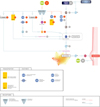 |
Fig. 1 The origins of epileptic seizures. |
3 Active neurons and epileptic seizures
We can assume that as long as the neurons are at rest, Aβ concentrations do not increase. When DHA levels are normal, the clearance of Aβ amyloids occurs progressively over time until they are completely eliminated through the aforementioned pathway. During the first two years of human life, DHA is of vital importance. DHA rapidly accumulates in brain tissue as early as the third trimester of pregnancy. During this period, levels of the precursors linoleic acid (omega-6) and alpha-linolenic acid (omega-3) remain consistently low in the brain, while there is substantial accretion of long-chain desaturation products, arachidonic acid (ARA) (omega-6) and DHA (omega-3). At birth, DHA accounts for around 9% of total cortical fatty acid composition (Clandinin et al., 1980), but DHA deficiency slows or prevents soluble Aβ clearance.
The human brain begins to form during pregnancy, but most neurons are not connected to each other when a child is born. Neurons connect and strengthen in response to the stimuli the baby receives from its environment. These connections between neurons are essential for the brain to function. Gray matter volume — which reflects the size and number of branches of brain cells — increases during childhood, peaking at different times depending on the region of the brain. This pattern of childhood peaks occurs not only with gray matter volume but also with the number of synapses and the density of neurotransmitter receptors. Axons, dendrites and synapses are produced in excess in humans until approximately 2 years of age; this phenomenon is known as “developmental exuberance” (Innocenti and Price, 2005). Synapses are then partially eliminated in a process of neural network optimization, retaining only mature, operational connections. This synaptic pruning continues until late adolescence (Jiang and Nardelli, 2016). This phenomenon is accompanied by axonal pruning involving mechanisms of axonal degeneration or retraction (Riccomagno and Kolodkin, 2015). Memory, for example, is shaped by the brain’s evolutionary pathways, which, over time, give rise to sensory memory, followed by procedural memory, semantic memory, episodic memory, and working memory. In response to stimuli, neurons at rest are activated, triggering action potentials.
If activation involves a set of neurons that carry cryptic lesions induced by Aβs, they will have deleterious effects on synaptic connections. A chronic excess of soluble Aβ peptides increases the disruption of synaptic activity in down-regulating astrocytic glutamate (the most abundant excitatory neurotransmitter) uptake capacity in a concentration-dependent manner. This disturbance of glutamatergic synaptic transmission by soluble Aβs of neuronal origin, mainly dimers (Shankar et al., 2008), switches the physiological state of a neuron to a pathological state with a further increase in the intracellular concentration of Ca2⁺, induced particularly by the NMDA receptor and continuous membrane depolarization. These Aβ peptides alter synaptic transmission and cellular excitability by altering the function of voltage-gated calcium channels (Price et al., 1998; Ramsden et al., 2002), certain types of potassium channels (Colom et al., 1998; Yu et al., 1998), AMPA receptors (Chang et al., 2006), NMDA receptors (Snyder et al., 2005), and the α7 nicotinic receptor (Wang et al., 2000; Dineley et al., 2001), or by the formation of calcium-permeable membrane pores or channels (Arispe et al., 1993; Bhatia et al., 2000; Kawahara et al., 2000; Kourie et al., 2001; Kayed et al., 2004; Demuro et al., 2005). Aβ peptides form morphologically compatible ion-channel-like structures and elicit single ion-channel currents. These ion channels seem to destabilize cellular ionic homeostasis, thereby inducing cell pathophysiology (Quist et al., 2005). Moreover, lipid peroxidation is induced by Aβ peptides, via two reactive products in particular (4-HNE and 2-propenal/acrolein). DHA has been shown to suppress 4-HNE generation (Geng et al., 2020) and to decrease glutamate uptake in astrocytes by affecting the activities of glutamate transporters GLT-1 and GLAST in mice (Harris et al., 1996; Butterfield et al., 2002; Matos et al., 2008). This effect is also reflected in decreased expression of EAAT2 (the human equivalent of GLT-1) in postmortem Alzheimer’s disease brain tissue (Scott et al., 2011) as well as reduced EAAT1 (the human equivalent of GLAST) in the hippocampus (Jacob et al., 2007). This reduction was specifically noted in the vicinity of senile plaques (Jacob et al., 2007; Hefendehl et al., 2016). Astrocytic excitatory amino acid transporters (EAATs) are responsible for the uptake of a large fraction of glutamate at the synapse and they control glutamate homeostasis. EAAT2, which is concentrated in perisynaptic astrocytes, performs 90% of glutamate uptake. EAATs play essential roles in the maintenance of normal excitatory synaptic transmission, the protection of neurons from the excitotoxic action of excessive glutamate, and the regulation of glutamate-mediated neuroplasticity. Therefore, dysfunction of EAATs, located primarily on astrocytes, can cause abnormal excitatory synaptic transmission, neuronal excitotoxicity, and the exaggeration of neuroplasticity-based events. Excess glutamate not recovered in time works not only as a point-to-point transmitter but also through spill-over synaptic crosstalk between synapses in which summation of glutamate released from a neighboring synapse creates extrasynaptic signaling/volume transmission (Okubo et al., 2010). It activates NMDA receptors, but not AMPA receptors, on a neighboring cell (Asztely et al., 1997). EAAT dysfunction is implicated in a variety of neurodegenerative and neurological diseases, including amyotrophic lateral sclerosis, Parkinson’s disease, Alzheimer’s disease, ischemia, and epilepsy (Nakagawa and Kaneko, 2013). And finally, glutamine synthase, which is particularly vulnerable to oxidative modification, is also a target of Aβ-induced oxidative damage (Boyd-Kimball et al., 2005; Huang et al., 2016). The activation of PPARγ-RXRα upregulates EAAT2 expression (Hou et al., 2020). PPARγ-RXRα agonists increase both mRNA and protein expression and glutamate uptake via PPAR response elements (PPREs) as promoter (Garcia-Bueno et al., 2007; Romera et al., 2007). An agonist of PPARγ, DHA is the key molecule in the induced regulation of EAATs (Takahashi et al., 2023). Therefore, EAAT levels are lower in DHA-deficient subjects, with a direct impact on the rate of glutamate recovery.
This slowing of glutamate uptake in the synaptic cleft causes hyperstimulation of the postsynaptic neuron with an increase in intracellular Ca2+ and excessive activation of nNOS and eNOS, which induces oxidative stress via “Janus-faced molecule” nitric oxide (NO) and its main highly oxidizing metabolite, peroxynitrite, whose effects depend on their concentration and chronicity. This slowing of glutamate uptake, and the epileptogenic process, are also linked with the over-production of pro-inflammatory cytokines such as inflammatory mediator cyclooxygenase 2 (COX-2), interleukin 1β (IL-1β), tumor necrosis factor α (TNFα) (Valles et al., 2010) and interleukin IL-6 (Li et al., 2011). Animal studies have shown the neurotoxic and pro-convulsive effects of both IL-6 and TNF-α in the brain (Li et al., 2011). These proinflammatory cytokines activate transcription of the NOS2 gene, which produces more inducible nitric oxide synthase (iNOS), which catalyzes nitric oxide (Singh et al., 1996; Stancill et al., 2021). IL-1β has been shown to increase neuronal hyperexcitability by enhancing glutamate release by astrocytes and reducing its uptake (Meng et Yao, 2020), as well as by upregulating NMDA receptors, which increases intracellular Ca2⁺ influx (Postnikova et al., 2017). Soluble Aβ peptides can already induce neuronal hyperactivity before plaque formation (Busche et al., 2012; Xu et al., 2015). This Aβ-induced neuronal hyperexcitability (Busche et al., 2012) is believed to trigger epilepsy (Minkeviciene et al., 2009). The Aβ concentrations will increase as local and proximal neuronal activity increases. The seizure threshold depends on the local Aβ concentration (triggering concentration), which determines the glutamate concentration at a synapse and neighboring synapses by overflow of Aβ and unrecovered glutamate. The massive influx of Ca2⁺ into neurons is the key mechanism underlying the neuronal hyperexcitability that precedes seizures (Cano et al., 2021). In DHA-deficient subjects, the inhibitory activity of GABA (γ-aminobutyric acid) − the main inhibitory neurotransmitter in the cerebral cortex that is formed within GABAergic axon terminals and released into the synapse − is reduced. DHA has been reported to facilitate the binding of GABA systems and increase the rate of desensitization of GABAA receptors by modulating the elasticity of the lipid bilayer (Søgaard et al., 2006; Zhou et al., 2022). DHA has been shown to reduce network excitability within the recurrent CA3 circuitry of the mouse hippocampus (Taha et al., 2013). The inhibitory effects of GABA counterbalance the excitatory effects of glutamate. An imbalance between synaptic excitation and inhibition between these two neurotransmitters is implicated in hyperexcitability and epilepsy (Perucca et al., 2023).
Moreover, in DHA-deficient subjects, the deleterious effects of Aβs are accentuated by reduced or delayed supply of glucose − and therefore of energy (ATP) − and antioxidant defenses (ascorbate, reduced glutathione/GSH, NADPH through the pentose phosphate pathway, in particular) (Stincone et al., 2015) due to reduced GLUT-1 expression (Majou and Dermenghem, 2023). Oxidative stress resulting from excessive free-radical release is likely implicated in the initiation and progression of epilepsy (Shin et al., 2011). It is worth noting that antioxidant enzymes Cu/Zn-SOD and catalase, and glutathione peroxidase 3 gene promoters, contain peroxisome proliferator response element (PPRE), indicating that they are directly regulated by transcription factors PPARα-RXRα (Inoue et al., 2001; Liu et al., 2012), and PPARɣ-RXRα (Araújo et al., 2016; Chung et al., 2009; Hwang et al., 2005; Kim et al., 2017; Okuno et al., 2010). Free DHA being the main ligand of PPARα/ɣ and RXRα, this binding deficiency explains the lack of antioxidant defenses. The ATP deficiency slows glutamate recovery by the astrocyte and the glutamate-glutamine cycle (Majou and Dermenghem, 2023). Glutamate is converted into glutamine by glutamine synthetase and shuttled back to neurons for glutamate synthesis (Allaman et al., 2011). The glutamate-glutamine shuttle consumes two ATP molecules: one molecule of ATP for astrocytes to capture glutamate through the action of the Na⁺/K⁺-ATPase (Magistretti et al., 1997; Schurr et al., 1998), and one molecule of ATP to convert the glutamate to glutamine by glutamine synthase (Smith et al., 1991). So, dysregulation of glucose metabolism can impact glutamate synthesis in the glutamate/glutamine cycle (Knight et al., 2014). Astrocytes use the electrochemical gradient of sodium to introduce the glutamate (Pellerin et al., 2003). The rate and velocity of Na+ and K+ input and output between two action potentials at a chemical synapse is critical, as this factor drives the polarization and depolarization of membranes. The return to resting potential depends on the reaction rate of the Na+/K+-ATPase located in the astrocytic membrane. Its enzymatic activity expels three Na+ ions and imports two K+ ions using energy from the breakdown of ATP to ADP (Sontheimer et al., 1994; Pellerin et al., 1997). This enzyme helps maintain resting transmembrane potential. It plays a critical role in energy metabolism and ion fluxes against the electrochemical gradient. Approximately 50% of the brain’s total energy consumption is used to restore ion gradients and resting membrane potentials through the action of Na+/K+-ATPase (Ames, 2000). It is estimated that action potentials and the postsynaptic effects of glutamate account for the majority of the brain’s energy consumption (47% and 34%, respectively), with the resting potential representing a smaller amount (13%), and glutamate recycling only 3% (Attwell et al., 2001) (see Fig. 1).
With less ATP and less EAATs, the astrocyte cannot respond as quickly to stimulation (concentration, speed), particularly to the capture of glutamate and the results of a kinetic imbalance. The consequence is a temporal imbalance between the frequency of action potentials and kinetics of inputs and outputs of glutamate, Ca2⁺, Na⁺ and K⁺ for glutamatergic synapses. On the one hand, the balanced reaction velocities between the Na+/K+-ATPase and loss of potassium by ion channels (voltage dependent) are fundamental. This drives the membrane polarization-depolarization. Reducing the driving force for Na⁺-dependent glutamate clearance increases the residence time of glutamate in the synaptic cleft, thereby increasing glutamate concentrations. On the other hand, this increased synaptic glutamate causes excessive stimulation of the glutamate receptors (NMDA receptor, AMPA receptor). The result gives rise to increased intracellular Ca2⁺ concentrations. The initial glutamate receptor opening of the Na⁺/Ca2⁺ channels not only allows the influx of Ca2⁺, but it also causes membrane depolarization. This depolarization in turn activates the voltage-dependent Ca2⁺ channels, which further increases intracellular Ca2⁺ levels. ATP depletion and the reduced sodium gradient across the cell membrane − caused by the glutamate receptor-coupled channels − impair the cell’s ability to remove intracellular calcium (Ca2⁺-ATPase, Na⁺/Ca2⁺ antiporter). Thus, a slowdown in ATP production kinetics for ATPases (pumps) has consequences on the rate of membrane polarization and action potential, on one hand, and the maintenance of extracellular Ca2⁺ levels, on the other hand, leading to desynchronization (see Fig. 1).
The activation of BDNF (Brain-derived neurotrophic factor) helps to stimulate the PI3K/Akt signaling pathway and upregulates NMDA receptor activity. In short, high-frequency neuronal activity induces the secretion of BDNF, whose presence boosts this important pathway mediated by IGF-1 and estradiol (Majou and Dermenghem, 2024b). Dendritic release of BDNF is activity-dependent, based on calcium influx, so the action of BDNF appears to inhibit epileptinogenesis. However, PPAR-RXR binds to the PPRE and activates the BDNF gene via the CREB gene (cyclical AMP response element binding protein) and the CREB protein (Majou and Dermenghem, 2024b). DHA is a preferential ligand for PPARs and RXRs (de Urquiza et al., 2000; Diep et al., 2002; Deckelbaum et al., 2006; Song et al., 2017; Dziedzic et al., 2018). As a result, BDNF levels are low when DHA is depleted. A clinical study in patients with temporal lobe epilepsy showed that serum BDNF levels in patients with temporal lobe epilepsy were significantly lower than those in healthy controls, with a negative correlation between BDNF serum levels and the duration of epilepsy (Wang et al., 2021). If regional neuronal stimulation is low, BDNF cannot effectively activate the MAPK and PI3K/Akt pathways. Moreover, DHA depletion lowers BDNF gene transcription via CREB.
4 The effects of a seizure
Epileptic seizures increase cerebral blood flow — as well as oxygen and glucose uptake (Bahar et al., 2006; Bode, 1992; Brodersen et al., 1973; De Simone et al., 1998; Duncan, 1992; Meldrum and Nilsson, 1976) — and are accompanied by local vasodilatation. This phenomenon is associated not only with the pathological synchronization of neurons but also with the slow depolarization of the astrocyte membrane. Electroconvulsive seizures cause a rapid elevation in astrocyte endfoot Ca2+. Vascular smooth muscle cells exhibit a significant increase in Ca2+ both during and following seizures (Volnova et al., 2020). Nitric oxide (NO) relaxes vascular smooth muscles. It is produced by a group of enzymes called nitric oxide synthases (NOS). Three NOS isoforms have been identified: neuronal NOS (nNOS), endothelial NOS (eNOS), and inducible NOS (iNOS) present in cerebral vascular endothelial cells, motor neurons, dendritic spines (Caviedes et al., 2017) and astrocytes (Wiencken et al., 1999). During physiological processes, NO produced by both eNOS and nNOS controls blood flow activation through vasodilatory responses (Reis et al., 2017). eNOS becomes more prominent at lower levels of neuronal activity, whereas nNOS dominates at higher neuronal activation levels (de Labra et al., 2009). We have described the mechanisms of local vasodilatation (Majou and Dermenghem, 2023). The phosphorylation of eNOS resembles that of AS160 via the activation/phosphorylation of AMP-activated protein kinase (AMPK) or via the PI3K (phosphoinositide-3-kinase)/Akt signaling pathway. The first pathway, via AMPK, is most commonly induced upon activation of the NMDA receptor, which results in a calcium influx (Zonta et al., 2003; Stobart et al., 2013). The pathway leads to a dilation of local parenchymal arterioles that meets the increased metabolic demand. NO is known as the endothelium-relaxing derived factor (ERDF). NO is synthesized at astrocytes and postsynaptic neurons (Galea et al., 1992; Ko et al., 1999).
We can assume that vasodilatation and increased cerebral blood flow prioritizes the delivery of nutrients to the seizure zone (Roy and Sherrington, 1890). These nutrients include DHA and glucose (see Fig. 1). This increased supply of DHA may support (i) an increase in BDNF mRNA levels (Isackson et al., 1991; Nibuya et al., 1995), which helps to stimulate the IRS-1/PI3K/Akt signaling pathway and upregulates NMDA receptor activity (Majou and Dermenghem, 2024b), (ii) a reduction in soluble Aβs according to the process described above, maybe even removing all residual Aβs, contributing to the resolution of epilepsy. The extent of the clearance depends on the initial concentration. This clearance allows Aβ levels to fall below the threshold. The initial Aβ concentration and the rate at which it re-accumulates determines the interval between seizures. The seizure allows the total or partial elimination of toxic Aβ residues. We can also assume that the TREK-1 potassium channel is involved. The supply of DHA via vasodilatation appears to activate TREK-1 (Bechard et al., 2024) and induce the hyperpolarization of neurons, leading to a decreased activation of the synaptic cleft. At the postsynaptic level, hyperpolarization reduces the activation of the glutamate receptor NMDA (magnesium ion blocking). The result of this is reduced glutamatergic transmission and excitotoxicity (Heurteaux and Blondeau, 2005) (Fig. 1).
5 Children at risk and detection
Children at risk are those exposed to an initial triggering factor, perinatal pain, which gives rise to cryptic lesions, followed by a second triggering factor, soluble amyloid β, generated as a consequence of these cryptic lesions. These two triggering factors are compounded by two aggravating factors: DHA dyslipidemia in the mother, which is transmitted to the fetus and the child. In humans, the accumulation of DHA in the central nervous system occurs primarily during the last trimester, through placental transfer, as well as in the first 18 postnatal months (Martinez, 1991) (Innis, 2005). Preformed DHA is passed from the mother to the fetus prenatally in utero (Dutta-Roy, 2000). After birth, DHA is transferred from the mother to the infant through breast milk (Putnam et al., 1982). While the overall diet can alter the fatty acid composition of maternal breast milk, on average, the fatty acid composition of breast milk consists of DHA (0.3-0.6%), ARA (0.4-0.7%), linoleic acid (8-17%), and α-linolenic acid (0.5-1%) (Barcelo-Coblijn and Murphy, 2009). However, it is hypothesized that the optimal DHA level for breast milk is 0.8% of total fatty acids (a level at which plasma and red blood cell DHA levels in infants reach their peak) (Gibson et al., 1997). These concentrations depend on dietary omega-3 and omega-6 intake. High linoleic acid intake during pregnancy is especially hazardous as it lowers EPA/DHA in the umbilical plasma and vein vessel walls and reduces the availability of DHA to the growing fetus (Al et al., 1996).
During the perinatal stage, this DHA deficiency comes from the mother’s diet, either due to an insufficient intake of alpha-linolenic acid (ALA), a precursor of EPA and DHA, or a competition between the elevated quantities of omega-6, omega-9, and omega-3 precursors that use the Δ6-desaturase for their conversion, respectively competition between linoleic acid, palmitic acid, and α-linolenic acid − this competition exacerbates DHA deficiency (Park et al., 2016) − or genetically due to polymorphisms on the FADS2 Δ6-desaturase gene. In a recent article, we described the mechanisms of supply of DHA in astrocytes and neurons (Majou and Dermenghem, 2023). The brain is capable of autonomous DHA synthesis in the astrocytes from dietary ALA via the blood-brain barrier. However, it prefers an exogenous source of DHA, directly from the diet, via the blood brain barrier (Ouellet et al., 2009), or by synthesis in the liver from dietary ALA, but only 5% ALA is converted into DHA. A more efficient route for the incorporation of DHA into brain lipids is via DHA itself, derived from food, or phospholipids, or by metabolism in the liver, rather than by metabolism from ALA in astrocytes (Sinclair et al., 1972). DHA is synthesized from dietary ALA through a series of enzyme transformations, including two desaturases (Δ6-desaturase and Δ5-desaturase) and elongases in the endoplasmic reticulum, followed by peroxisomal β-oxidation (Voss et al., 1991). Δ6-desaturase catalyzes two essential stages of DHA biosynthesis (Cho et al., 1999; Stoffel et al., 2008). As the second stage of desaturation by this enzyme is limiting, this makes Δ6-desaturase a key enzyme in DHA synthesis (Lattka et al., 2010; Tosi et al., 2014; O’Neill et al., 2017; Delplanque, 2017). In humans, the FADS2 gene (Δ6-desaturase gene) is expressed ubiquitously, especially in the liver and brain (astrocytes) (Innis et al., 2002; Nakamura et al., 2004).
Although food-based DHA plays a direct role on its plasma and erythrocytic levels, genetic factors have an important role in influencing DHA concentrations in human tissue through an ALA-rich diet. The FADS1 and FADS2 genes code for Δ5-desaturase and Δ6-desaturase, respectively. In the NCBI SNP database, more than 3,200 simple nucleotidic polymorphisms (SNPs) are referenced on FADS2 for Homo sapiens. Some studies have shown a close correlation between several SNPs in the FADS1 and FADS2 genes and concentrations of omega-3 and −6 fatty acids (Schaeffer et al., 2006; Xie and Innis, 2008; Rzehak et al., 2009; Glaser et al., 2011). Homozygous carriers of different minor alleles have higher desaturase substrates (α-linolenic acid, linoleic acid) and lower levels of desaturation products (DHA, EPA, ARA) (Glaser et al., 2011; Lankinen et al., 2018). This suggests reduced desaturase expression in individuals with these polymorphisms (Moltó-Puigmartí et al., 2010). In our opinion review (Majou, 2021), we speculated that SNPs, especially those on PPRE, modulate the binding affinity of the DHA-PPARα-RXRα-DHA heterodimer on PPRE. Maternal and child genotypes were equally associated with DHA in neonatal cord blood, which reflects both placental transfer and fetal metabolism of DHA (Koletzko et al., 2011; Tanjung et al., 2018). Maternal DHA and EPA status during gestation influences maternal-to-infant transfer, and breast milk provides fatty acids for infants after birth. Genetic variants of FADS1 and FADS2 influence blood lipid and breast milk essential fatty acids during pregnancy and lactation (Xie and Innis, 2008). The lactating mammary gland has the capacity to synthesize PUFAs (Rodriguez-Cruz et al., 2006).
It should be noted that in our previous articles, and in this one, we often mention the important role of PPAR-RXR heterodimers in seizure control through their interaction with their ligands, DHA. These assertions seem to be confirmed by several animal studies showing that selective agonists of PPARα and PPARɣ — such as fenofibrate, a potent inducer of PPARα (Porta et al., 2009), or FMOC-L-Leucine with PPARɣ (Maurois et al., 2008) — raise seizure thresholds.
Children born prematurely miss peak accumulation of DHA from the mother and certain infant formulas only provide linoleic acid and ALA, whereas breast milk also provides DHA. Therefore, premature babies who are formula-fed may be at particular risk of DHA deficiency (DiNicolantonio and Keefe, 2020; Hoffman et Uauy, 1992). To meet these infants’ specific DHA requirements, it is recommended to increase the DHA content of breast milk by providing their mothers with a DHA supplement (Lapillonne and Jensen, 2009).
In order to anticipate epilepsy in children, it would be useful to draw up a questionnaire on the child’s medical history. Perinatal suffering is not always recorded in the history of epilepsy, when it is minimal or very minimal or discreet, with no alarming signs (hypothermia, for example, responsible for vasoconstriction) resulting from prolonged labor. It is important to also detect the cases that do not result from acute suffering. Risk factors can be identified from the patient’s medical history based on the conditions of childbirth and the dangers of neonatal hypoxia without apparent lesions (difficult delivery, fetal suffering, nuchal cord, premature birth, twins, etc.), with clinical, anatomical and functional data. The questionnaire could be completed with questions on clinical signs that may also point to a DHA deficiency:
xeroderma in the mother, child or siblings (atopic dermatitis caused by a lack of sapienic acid synthetized by Δ6-desaturase (Majou, 2018);
asthma, atopic rhinitis;
overactivity, anxiety;
breastfeeding;
DHA/EPA supplementation (breastfeeding and infant milk).
The questionnaire should be complemented by the determination of fatty acids in erythrocytes (with levels of DHA, EPA, ALA, LA, and ARA) including the ratio of omega-3 fatty acids to omega-6 fatty acids. If a lipid abnormality exists, family screening, particularly of the mother, would be useful to assess the hereditary dimension of this dyslipidemia, whether or not it is associated with symptoms of xeroderma.
6 DHA treatment and prevention
As previously discussed, DHA deficiency is an aggravating factor in the reduction of Aβ levels and glucose and ascorbic acid supply in response to stimuli. DHA has been found to have anticonvulsant properties and to reduce seizures in several animal models (Ferrari et al., 2008; Gavzan et al., 2018; Moezifar et al., 2019; Scorza et al., 2009; Taha et al., 2010; Trepanier et al., 2012; Wang et al., 2022; Yang et al., 2023; Yonezawa et al., 2023). Some studies demonstrate that EPA and DHA are effective in reducing the frequency of seizures in patients with drug-resistant epilepsy (DeGiorgio et al., 2015; Ibrahim et al., 2018). Seizure frequency and duration were reduced after the completion of the treatment in the supplement groups (Yuen et al., 2005; Bromfield et al., 2008; Al Khayat et al., 2010; Ishihara et al., 2017; Omrani et al., 2019). The same applies to fish oils. Omega 3 polyunsaturated fatty acids elevate the seizure threshold in epileptic patients and may help in achieving seizure control (Schlanger et al., 2002; Reda et al., 2015). Children who received omega-3 supplements showed a significant decrease in the frequency of seizure attacks after six months of supplementation compared to the baseline before supplementation (P < 0.05) (Elsadek et al., 2021). Prior to oral PUFA supplementation, patients with intractable epilepsy had lower levels of DHA and higher levels of ALA compared to controls (Al Khayat et al., 2010); this clearly shows a lack of Δ6-desaturase productivity. The authors have personal experience of two epileptic children and one adolescent — one child (5 years old) with no drug treatment, one child (12 years old) on micropakine (1.5 mg/day), and one adolescent (15 years old) — whose seizures stopped after treatment with DHA/EPA (250-500 mg/day) (unpublished results).
DHA dyslipidemia in mother and child, caused by FADS2 variants and low dietary DHA intake or ALA intake (Couedelo et al., 2022), can be entirely or partially offset, depending on the dose provided by dietary DHA intake and nutritional supplements (e.g. capsules) (Helland et al., 2006; Innis and Friesen, 2008; Krauss-Etschmann et al., 2007). Depending on the level of dyslipidemia, a DHA intake of 120-160 mg/day is quite beneficial (Morris et al., 2003). Moreover, the combination of DHA + EPA (fish oils) is also pertinent (Van Gelder et al., 2007; Swanson et al., 2012) in ratios of about 1:3, or 120-160 mg DHA/day and 360-480 mg EPA/day. Indeed, EPA can compete with DHA as a PPARα ligand for the transcription of FADS2 (Deckelbaum et al., 2006). EPA reduces inhibition by DHA (Majou, 2021). This is particularly important in the case of FADS2 alleles that are inhibited with lower DHA concentrations.
Children at risk of epilepsy could be given DHA supplements from birth. If the child is breastfed, mothers whose milk is deficient in DHA should be supplemented with DHA to enrich their milk (Juber et al., 2017). If the infant is fed with formula, it should be enriched with DHA. Then, when the child is weaned, it should receive DHA supplements (capsules). As described above, DHA enrichment prevents the synthesis of Aβs (non-amyloidogenic pathway), suppresses soluble Aβs already formed, and greatly improves the flow rate of GLUT-1 transporters (glucose, ascorbic acid precursor). As a result, it cancels out the second trigger of epilepsy. This approach makes it possible to prevent the onset of idiopathic focal epilepsy.
7 Conclusion
This opinion review describes the pathogenetic mechanisms behind epilepsy, as well as its triggering and aggravating factors. A triggering factor is a perinatal pain (hypoxia) that generates amyloid-β peptide oligomers that are not eliminated. An aggravating factor is a deficiency of DHA — due to diet or specific FADS2 alleles (Δ6-desaturase gene) — which is a preferential ligand of the PPARα-RXRα and PPARɣ-RXRα heterodimers. These two factors have impacts on the glutamatergic pathways: (i) metabolic homeostasis as a function of stimulation (regional blood flow); (ii) flow rate of GLUT-1 transporters (glucose, ascorbic acid precursor); (iii) regulation of oxidative stress; (iv) repair of oxidative injuries; (v) priority given to the non-amyloidogenic pathway; (vi) proteolysis of Aβ residues and their removal. The originality of this approach resides in particular in highlighting the fundamental role played by DHA. Individual paediatric interventions have demonstrated the positive effects of DHA and EPA supplementation. It is now essential to confirm these results through a randomised, double-blind, placebo-controlled intervention study involving 300 children over a period of approximately 12 weeks.
References
- Aboud O, Mrak RE, Boop FA, Griffin WS. 2013. Epilepsy: neuroinflammation, neurodegeneration, and APOE genotype. Acta Neuropathol Commun 1: 41. [Google Scholar]
- Al MD, Badart-Smook A, von Houwelingen AC, Hasaart TH, Hornstra G. 1996. Fat intake of women during normal pregnancy: relationship with maternal and neonatal essential fatty acid status. J Am Coll Nutr 15 (1): 49–55. [Google Scholar]
- Al Khayat HA, Awadalla MM, Al Wakad A, Marzook ZA. 2010. Polyunsaturated fatty acids in children with idiopathic intractable epilepsy: Serum levels and therapeutic response. J Pediatr Neurol 8: 175–185. [Google Scholar]
- Allaman I, Bélanger M, Magistretti PJ. 2011. Astrocyte-neuron metabolic relationships: for better and for worse. Trends Neurosci 34 (2): 76–87. [CrossRef] [PubMed] [Google Scholar]
- Amen DG, Harris WS, Kidd PM, Meysami S, Raji CA. 2017. Quantitative erythrocyte omega-3 EPA plus DHA levels are related to higher regional cerebral blood flow on brain SPECT. J Alzheimers Dis 58 (4): 1189–1199. [CrossRef] [PubMed] [Google Scholar]
- Ames A. 2000. CNS energy metabolism as related to function. Brain Res Rev 34 (1-2): 42–68. [Google Scholar]
- Andrisse S, Patel GD, Chen JE, et al. 2013. ATM and GLUT1-S490 phosphorylation regulate GLUT1 mediated transport in skeletal muscle. PLoS One (6): e66027. [Google Scholar]
- Araújo TG, Oliveira AG, Vecina JF, et al. 2016. Treatment with Parkinsonia aculeata combats insulin resistance-induced oxidative stress through the increase in PPARγ/CuZn-SOD axis expression in diet-induced obesity mice. Mol Cell Biochem 419: 93–101. [Google Scholar]
- Arispe N, Pollard HB, Rojas E. 1993. Giant multilevel cation channels formed by Alzheimer disease amyloid-β protein [AβP-(1-40)] in bilayer membranes. Proc Natl Acad Sci USA 90: 10573–10577. [Google Scholar]
- Arsov T, Mullen SA, Rogers S, et al. 2012. Glucose transporter 1 deficiency in the idiopathic generalized epilepsies. Ann Neurol 72 (5): 807–815. [Google Scholar]
- Asztely F, Erdemli G, Kullmann DM. 1997. Extrasynaptic glutamate spillover in the hippocampus: dependence on temperature and the role of active glutamate uptake. Neuron 18 (2): 281–293. [Google Scholar]
- Attwell D, Laughlin SB. 2001. An energy budget for signaling in the grey matter of the brain. J Cereb Blood Flow Metab 21 (10): 1133–1145. [Google Scholar]
- Bahar S, Suh M, Zhao M, Schwartz TH. 2006. Intrinsic optical signal imaging of neocortical seizures: The “epileptic dip”. Neuroreport 17: 499–503. [Google Scholar]
- Baiden-Amissah K, Joashi U, Blumberg R, Mehmet H, Edwards AD, Cox PM. 1998. Expression of amyloid precursor protein (beta-APP) in the neonatal brain following hypoxic ischaemic injury. Neuropathol Appl Neurobiol 24 (5): 346–352. [Google Scholar]
- Barcelo-Coblijn G, Murphy EJ. 2009. Alpha-linolenic acid and its conversion to longer chain n-3 fatty acids: benefits for human health and a role in maintaining tissue n-3 fatty acid levels. Prog Lipid Res 48 (6): 355–374. [Google Scholar]
- Bascunana P, Javela J, Delgado M, et al. 2016. [(18)F]FDG PET Neuroimaging Predicts Pentylenetetrazole (PTZ) Kindling Outcome in Rats. Mol Imaging Biol 18 (5): 733–740. [Google Scholar]
- Bechard E, Arel E, Bride J, et al. 2024. Activation of hTREK-1 by polyunsaturated fatty acids involves direct interaction. Sci Rep 14 (1): 15244. [Google Scholar]
- Bergamasco B, Benna P, Ferrero P, Gavinelli R. 1984. Neonatal hypoxia and epileptic risk: a clinical prospective study. Epilepsia 25 (2): 131–136. [Google Scholar]
- Bergren SK, Chen S, Galecki A, Kearney JA. 2005. Genetic modifiers affecting severity of epilepsy caused by mutation of sodium channel Scn2a. Mamm Genome 16 (9): 683–690. [Google Scholar]
- Bhatia R, Lin H, Lal R. 2000. Fresh and globular amyloid beta protein (1-42) induces rapid cellular degeneration: evidence for AbetaP channel-mediated cellular toxicity. FASEB J 14 (9): 1233–1243. [Google Scholar]
- Bode H. 1992. Intracranial blood flow velocities during seizures and generalized epileptic discharges. Eur J Pediatr 151 (9): 706–709. [Google Scholar]
- Boyd-Kimball D, Sultana R, Poon HF, et al. 2005. Proteomic identification of proteins specifically oxidized by intracerebral injection of amyloid beta-peptide (1-42) into rat brain: implications for Alzheimer’s disease. Neuroscience 132 (2): 313–324. [Google Scholar]
- Brodersen P, Paulson OB, Bolwig TG, Rogon ZE, Rafaelsen OJ, Lassen NA. 1973. Cerebral hyperemia in electrically induced epileptic seizures. Arch Neurol 28 (5): 334–338. [Google Scholar]
- Bromfield E, Dworetzky B, Hurwitz S, et al. 2008. A randomized trial of polyunsaturated fatty acids for refractory epilepsy. Epilepsy Behav 12 (1): 187–190. [Google Scholar]
- Buda O, Arsene D, Ceausu M, Dermengiu D, Curca GC. 2009. Georges Marinesco and the early research in neuropathology. Neurology 72 (1): 88–91. [Google Scholar]
- Busche MA, Chen X, Henning HA, et al. 2012. Critical role of soluble amyloid-β for early hippocampal hyperactivity in a mouse model of Alzheimer’s disease. Proc Natl Acad Sci USA 109 (22): 8740–8745. [Google Scholar]
- Butterfield DA, Castegna A, Lauderback CM, Drake J. 2002. Evidence that amyloid beta-peptide-induced lipid peroxidation and its sequelae in Alzheimer’s disease brain contribute to neuronal death. Neurobiol Aging 23 (5): 655–664. [Google Scholar]
- Cano A, Fonseca E, Ettcheto M, et al. 2021. Epilepsy in neurodegenerative diseases: related drugs and molecular pathways. Pharmaceuticals (Basel) 14 (10): 1057. [Google Scholar]
- Capper EA, Marshall LA. 2001. Mammalian phospholipases A(2): mediators of inflammation, proliferation and apoptosis. Prog Lipid Res 40 (3): 167–197. [CrossRef] [PubMed] [Google Scholar]
- Caviedes A, Varas-Godoy M, Lafourcade C, et al. 2017. Endothelial nitric oxide synthase is present in dendritic spines of neurons in primary cultures. Front Cell Neurosci 11: 180. [CrossRef] [PubMed] [Google Scholar]
- Chang EH, Savage MJ, Flood DG, et al. 2006. AMPA receptor downscaling at the onset of Alzheimer’s disease pathology in double knockin mice. Proc Natl Acad Sci USA 103: 3410–3415. [Google Scholar]
- Cho HP, Nakamura MT, Clarke SD. 1999. Cloning, expression, and nutritional regulation of the mammalian Delta-6 desaturase. J Biol Chem 274 (1): 471–477. [CrossRef] [PubMed] [Google Scholar]
- Chung SS, Kim M, Youn BS, et al. 2009. Glutathione peroxidase 3 mediates the antioxidant effect of peroxisome proliferator-activated receptor gamma in human skeletal muscle cells. Mol Cell Biol 29 (1): 20–30. [Google Scholar]
- Clandinin MT, Chappell JE, Leong S, Heim T, Swyer PR, Chance GW. 1980. Intrauterine fatty acid accretion rates in human brain: implications for fatty acid requirements. Early Hum Dev 4 (2): 121–129. [Google Scholar]
- Martinez M. Tissue levels of polyunsaturated fatty acids during early human development. J Pediatr 1992 Apr; 120(4 Pt 2): S129–S138. [CrossRef] [PubMed] [Google Scholar]
- Colom LV, Diaz ME, Beers DR, Neely A, Xie WJ, Appel SH. 1998. Role of potassium channels in amyloid-induced cell death. J Neurochem 70: 1925–1934. [Google Scholar]
- Corrigan F, Thornton E, Roisman LC, et al. 2014. The neuroprotective activity of the amyloid precursor protein against traumatic brain injury is mediated via the heparin binding site in residues 96-110. J Neurochem 128 (1): 196–204. [Google Scholar]
- Costa C, Parnetti L, D’Amelio M, et al. 2016. Epilepsy, amyloid-β, and D1 dopamine receptors: a possible pathogenetic link? Neurobiol Aging 48: 161–171. [Google Scholar]
- Couedelo L, Buaud B, Abrous H, Chamekh-Coelho I, Majou D, Boué-Vaysse C. 2022. Effect of increased levels of dietary α-linolenic acid on the n-3 PUFA bioavailability and oxidative stress in rat. Br J Nutr 127 (9): 1320–1333. [Google Scholar]
- Deckelbaum RJ, Worgall TS, Seo T. 2006. n-3 fatty acids and gene expression. Am J Clin Nutr 83: 1520S–1525S. [CrossRef] [PubMed] [Google Scholar]
- DeGiorgio CM, Miller PR, Harper R, et al. 2015. Fish oil (n-3 fatty acids) in drug resistant epilepsy: a randomised placebo-controlled crossover study. J Neurol Neurosurg Psychiatry 86 (1): 65–70. [Google Scholar]
- de Labra C, Rivadulla C, Espinosa N, Dasilva M, Cao R, Cudeiro J. 2009. Different sources of nitric oxide mediate neurovascular coupling in the lateral geniculate nucleus of the cat. Front Syst Neurosci 3: 9. [CrossRef] [PubMed] [Google Scholar]
- De Simone R, Silvestrini M, Marciani MG, Curatolo P. 1998. Changes in cerebral blood flow velocities during childhood absence seizures. Pediatr Neurol 18 (2): 132–135. [Google Scholar]
- de Urquiza AM, Liu S, Sjöberg M, et al. 2000. Docosahexaenoic acid, a ligand for the retinoid X receptor in mouse brain. Science 290 (5499): 2140–2144. [CrossRef] [PubMed] [Google Scholar]
- Delplanque B. 2017. Acides gras oméga-3 : de l’acide α-linolénique (ALA) à l’acide docosahexaénoïque (DHA). Lipid Nutri+ 34. [Google Scholar]
- Demuro A, Mina E, Kayed R, Milton SC, Parker I, Glabe CG. 2005. Calcium dysregulation and membrane disruption as a ubiquitous neurotoxic mechanism of soluble amyloid oligomers. J Biol Chem 280: 17294–17300. [Google Scholar]
- DiNicolantonio JJ, O’Keefe JH. 2020. The importance of marine omega-3s for brain development and the prevention and treatment of behavior, mood, and other brain disorders. Nutrients 12 (8): 2333. [Google Scholar]
- Diep QN, Amiri F, Touyz RM, et al. 2002. PPARalpha activator effects on Ang II-induced vascular oxidative stress and inflammation. Hypertension 40 (6): 866–871. [CrossRef] [PubMed] [Google Scholar]
- Dineley KT, Westerman M, Bui D, Bell K, Ashe KH, Sweatt JD. 2001. β-Amyloid activates the mitogen-activated protein kinase cascade via hippocampal α7 nicotinic acetylcholine receptors: in vitro and in vivo mechanisms related to Alzheimer’s disease. J Neurosci 21: 4125–4133. [Google Scholar]
- Dubrovskaia NM, Nalivaeva NN, Plesneva SA, Feponova AA, Turner AJ, Zhuravin IA. 2009. Changes in the activity of amyloid-degrading metallopeptidases leads to disruption of memory in rats. Zh Vyssh Nerv Deiat Im I P Pavlova 59 (5): 630–638. [Google Scholar]
- Duncan R. 1992. Epilepsy, cerebral blood flow, and cerebral metabolic rate. Cerebrovasc Brain Metab Rev 4 (2): 105–121. [Google Scholar]
- Dutta-Roy AK. 2000. Transport mechanisms for long-chain polyunsaturated fatty acids in the human placenta. Am J Clin Nutr 71(1 Suppl): 315S–22S. [Google Scholar]
- Dziedzic B, Bewicz-Binkowska D, Zgorzynska E, et al. 2018. DHA upregulates FADS2 expression in primary cortical astrocytes exposed to vitamin A. Physiol Res 67 (4): 663–668. [CrossRef] [PubMed] [Google Scholar]
- Eckert GP, Chang S, Eckmann J, et al. 2011. Liposome-incorporated DHA increases neuronal survival by enhancing non-amyloidogenic APP processing. Biochim Biophys Acta 1808 (1): 236–243. [Google Scholar]
- EFSA. 2010. Scientific Opinion on the substantiation of health claims related to docosahexaenoic acid (DHA). EFSA J 8 (10): 1734–1751. [Google Scholar]
- Elsadek AE, Maksoud YHA, Suliman HA, et al. 2021. Omega-3 supplementation in children with ADHD and intractable epilepsy. J Clin Neurosci 94: 237–243. [Google Scholar]
- Ferrari D, Cysneiros RM, Scorza CA, et al. 2008. Neuroprotective activity of omega-3 fatty acids against epilepsy-induced hippocampal damage: Quantification with immunohistochemical for calcium-binding proteins. Epilepsy Behav 13 (1): 36–42. [Google Scholar]
- Fisher RS, Cross JH, French JA, et al. 2017. Operational classification of seizure types by the international league against epilepsy: position paper of the ILAE commission for classification and terminology. Epilepsia 58 (4): 522–530. [Google Scholar]
- Flood D, Lee ES, Taylor CT. 2023. Intracellular energy production and distribution in hypoxia. J Biol Chem 299 (9): 105103. [Google Scholar]
- Fol R, Braudeau J, Ludewig S, Abel T, Weyer SW, Roederer JP. 2016. Viral gene transfer of APPsα rescues synaptic failure in an Alzheimer’s disease mouse model. Acta Neuropathol 131: 247–266. [Google Scholar]
- French JA, Kanner AM, Bautista J, et al. 2004. Efficacy and tolerability of the new antiepileptic drugs, I: treatment of new-onset epilepsy: report of the TTA and QSS Subcommittees of the American Academy of Neurology and the American Epilepsy Society. Epilepsia 45: 401–409. [Google Scholar]
- Galea E, Feinstein DL, Reis DJ. 1992. Induction of calcium-independent nitric oxide synthase activity in primary rat glial cultures. Proc Nati Acad Sci USA 89 (22): 10945–10949. [CrossRef] [PubMed] [Google Scholar]
- Garcia-Bueno B, Caso JR, Pérez-Nievas BG, Lorenzo P, Leza JC. 2007. Effects of peroxisome proliferator-activated receptor gamma agonists on brain glucose and glutamate transporters after stress in rats. Neuropsychopharmacology 32 (6): 1251–1260. [Google Scholar]
- Gavzan H, Hashemi F, Babaei J, Sayyah M. 2018. A role for peroxisome proliferator-activated receptor α in anticonvulsant activity of docosahexaenoic acid against seizures induced by pentylenetetrazole. Neurosci Lett 681: 83–86. [Google Scholar]
- Geng X, Yang B, Li R, et al. 2020. Effects of docosahexaenoic acid and its peroxidation product on amyloid-β peptide-stimulated microglia. Mol Neurobiol 57 (2): 1085–1098. [Google Scholar]
- Gibson RA, Neumann MA, Makrides M. 1997. Effect of increasing breast milk docosahexaenoic acid on plasma and erythrocyte phospholipid fatty acids and neural indices of exclusively breast fed infants. Eur J Clin Nutr 51 (9): 578–584. [Google Scholar]
- Glaser C, Lattka E, Rzehak P, Steer C, Koletzko C. 2011. Genetic variation in polyunsaturated fatty acid metabolism and its potential relevance for human development and health. Matern Child Nutr 2011. Suppl 2: 27–40. [Google Scholar]
- Grilli M, Goffi F, Memo M, Spano P. 1996. Interleukin-1beta and glutamate activate the NF-kappaB/Rel binding site from the regulatory region of the amyloid precursor protein gene in primary neuronal cultures. J Biol Chem 271 (25): 15002–15007. [Google Scholar]
- Grimm MO, Haupenthal VJ, Mett J, et al. 2016. Oxidized docosahexaenoic acid species and lipid peroxidation products increase amyloidogenic amyloid precursor protein processing. Neurodegener Dis 16 (1-2): 44–54. [Google Scholar]
- Harris ME, Wang Y, Pedigo NW Jr, Hensley K, Butterfield DA, Carney JM. 1996. Amyloid beta peptide (25-35) inhibits Na+-dependent glutamate uptake in rat hippocampal astrocyte cultures. J Neurochem 67 (1): 277–286. [Google Scholar]
- Hefendehl JK, LeDue J, Ko RW, Mahler J, Murphy TH, MacVicar BA. 2016. Mapping synaptic glutamate transporter dysfunction in vivo to regions surrounding Aβ plaques by iGluSnFR two-photon imaging. Nat Commun 7: 13441. [Google Scholar]
- Helland IB, Saugstad OD, Saarem K, Van Houwelingen AC, Nylander G, Drevon CA. 2006. Supplementation of n-3 fatty acids during pregnancy and lactation reduces maternal plasma lipid levels and provides DHA to the infants. J Matern Fetal Neonatal Med 19 (7): 397–406. [Google Scholar]
- Heurteaux C, Blondeau N. 2005. Le rôle majeur du canal potassique TREK-1 dans la protection neuronale induite par les oméga-3. OCL 12 (1): 68–77. [Google Scholar]
- Hoffman DR, Uauy R. 1992. Essentiality of dietary omega 3 fatty acids for premature infants: plasma and red blood cell fatty acid composition. Lipids 27 (11): 886–895. [Google Scholar]
- Hou X, Li Y, Huang Y, Zhao H, Gui L. 2020. Adenosine Receptor A1-A2a Heteromers Regulate EAAT2 Expression and Glutamate Uptake via YY1-Induced Repression of PPARγ Transcription. PPAR Res 2020: 2410264. [Google Scholar]
- Huang WJ, Zhang X, Chen WW. 2016. Role of oxidative stress in Alzheimer’s disease. Biomed Rep 4 (5): 519–522. [CrossRef] [PubMed] [Google Scholar]
- Hwang J, Kleinhenz DJ, Lassègue B, Griendling KK, Dikalov S, Hart CM. 2005. Peroxisome proliferator-activated receptor-gamma ligands regulate endothelial membrane superoxide production. Am J Physiol Cell Physiol 288 (4): C899–905. [Google Scholar]
- Ibrahim FAS, Ghebremeskel K, Abdel-Rahman ME, et al. 2018. The differential effects of eicosapentaenoic acid (EPA) and docosahexaenoic acid (DHA) on seizure frequency in patients with drug-resistant epilepsy − A randomized, double-blind, placebo-controlled trial. Epilepsy Behav 87: 32–38. [Google Scholar]
- Innis SM, Dyer RA. 2002. Brain astrocyte synthesis of docosahexaenoic acid from n-3 fatty acids is limited at the elongation of docosapentaenoic acid. J Lipid Res 43 (9): 1529–1536. [CrossRef] [PubMed] [Google Scholar]
- Innis SM. 2005. dEssential fatty acid transfer and fetal development. Placenta Suppl A: S70–75. [Google Scholar]
- Innis SM, Friesen RW. 2008. Essential n-3 fatty acids in pregnant women and early visual acuity maturation in term infants. Am J Clin Nutr 87 (3): 548–557. [Google Scholar]
- Innocenti GM, Price DJ. 2005. Exuberance in the development of cortical networks. Nat Rev Neurosci 6 (12): 955–965. [Google Scholar]
- Inoue I, Goto S, Matsunaga T, et al. 2001. The ligands/activators for peroxisome proliferator-activated receptor alpha (PPARalpha) and PPARgamma increase Cu2+, Zn2+-superoxide dismutase and decrease p22phox message expressions in primary endothelial cells. Metabolism 50: 3–11. [Google Scholar]
- Isackson PJ, Huntsman MM, Murray KD, Gall CM. 1991. BDNF mRNA expression is increased in adult rat forebrain after limbic seizures: temporal patterns of induction distinct from NGF. Neuron 6 (6): 937–948. [Google Scholar]
- Ishihara Y, Itoh K, Tanaka M, et al. 2017. Potentiation of 17β-estradiol synthesis in the brain and elongation of seizure latency through dietary supplementation with docosahexaenoic acid. Sci Rep 7 (1): 6268. [Google Scholar]
- Jacob CP, Koutsilieri E, Bartl J, et al. 2007. Alterations in expression of glutamatergic transporters and receptors in sporadic Alzheimer’s disease. J Alzheimers Dis 11 (1): 97–116. [Google Scholar]
- Janigro D. 1999. Blood-brain barrier, ion homeostatis and epilepsy: possible implications towards the understanding of ketogenic diet mechanisms. Epilepsy Res 37 (3): 223–232. [Google Scholar]
- Jiang X, Nardelli J. 2016. Cellular and molecular introduction to brain development. Neurobiol Dis 92(Pt A): 3–17. [Google Scholar]
- Joutsa J, Rinne JO, Hermann B, et al. 2017. Association between childhood-onset epilepsy and amyloid burden 5 decades later. JAMA Neurol 74 (5): 583–590. [Google Scholar]
- Joutsa J, Rinne JO, Niemi KJ, et al. 2025. Progression of amyloid accumulation in late adulthood among people with childhood-onset epilepsy. Neurology 104 (3): e210303. [Google Scholar]
- Juber BA, Jackson KH, Johnson KB, Harris WS, Baack ML. 2017. Breast milk DHA levels may increase after informing women: A community-based cohort study from South Dakota USA. Int Breastfeed J 12: 7. [Google Scholar]
- Kang SH, Kang M, Han JH, et al. 2023. Independent effect of Aβ burden on cognitive impairment in patients with small subcortical infarction. Alzheimers Res Ther 15 (1): 178. [Google Scholar]
- Kawahara M, Kuroda Y, Arispe N, Rojas E. 2000. Alzheimer’s beta-amyloid, human islet amylin, and prion protein fragment evoke intracellular free calcium elevations by a common mechanism in a hypothalamic GnRH neuronal cell line. J Biol Chem 275: 14077–14083. [Google Scholar]
- Kayed R, Sokolov Y, Edmonds B, et al. 2004. Permeabilization of lipid bilayers is a common conformation-dependent activity of soluble amyloid oligomers in protein misfolding diseases. J Biol Chem 279: 46363–46366. [Google Scholar]
- Ketata I, Ellouz E, Mizouri R. 2024. Impact of prenatal, neonatal, and postnatal factors on epilepsy risk in children and adolescents: a systematic review and meta-analysis. Acta Epileptologica 6 (1). [Google Scholar]
- Kim JS, Lee YH, Chang YU, et al. 2017. PPARγ regulates inflammatory reaction by inhibiting the MAPK/NF-κB pathway in C2C12 skeletal muscle cells. J Physiol Biochem 73: 49–57. [Google Scholar]
- Knight EM, Martins IV, Gümüsgöz S, Allan SM, Lawrence CB. 2014. High-fat diet-induced memory impairment in triple-transgenic Alzheimer’s disease (3xTgAD) mice is independent of changes in amyloid and tau pathology. Neurobiol Aging 35 (8): 1821–1832. [Google Scholar]
- Ko GY, Kelly PT. 1999. Nitric oxide acts as a postsynaptic signaling molecule in calcium/calmodulin-induced synaptic potentiation in hippocampal CA1Pyramidal neurons. J Neurosci 19 (16): 6784–6794. [CrossRef] [PubMed] [Google Scholar]
- Koletzko B, Lattka E, Zeilinger S, Illig T, Steer C. 2011. Genetic variants of the fatty acid desaturase gene cluster predict amounts of red blood cell docosahexaenoic and other polyunsaturated fatty acids in pregnant women: findings from the Avon longitudinal study of parents and children. Am J Clin Nutr 93 (1): 211–219. [Google Scholar]
- Kourie JI, Henry CL, Farrelly P. 2001. Diversity of amyloid beta protein fragment [1-40]-formed channels. Cell Mol Neurobiol 21: 255–284. [Google Scholar]
- Krauss-Etschmann S, Shadid R, Campoy C, et al. 2007. Effects of fish-oil and folate supplementation of pregnant women on maternal and fetal plasma concentrations of docosahexaenoic acid and eicosapentaenoic acid: a European randomized multicenter trial. Am J Clin Nutr 85 (5): 1392–1400. [Google Scholar]
- Landmark CJ. 2007. Targets for antiepileptic drugs in the synapse. Med Sci Monit 13 (1): RA1–7. [Google Scholar]
- Lankinen M, Uusitupa M, Schwab U. 2018. Genes and dietary fatty acids in regulation of fatty acid composition of plasma and erythrocyte membranes. Nutrients 10 (11): 1785. [Google Scholar]
- Lapillonne A, Jensen CL. 2009. Reevaluation of the DHA requirement for the premature infant. Prostaglandins Leukot Essent Fatty Acids 81 (2-3): 143–150 [Google Scholar]
- Lattka E, Eggers S, Moeller G, et al. 2010. A common FADS2 promoter polymorphism increases promoter activity and facilitates binding of transcription factor E LK1. J Lipid Res 51 (1): 182–191. [CrossRef] [PubMed] [Google Scholar]
- Li G, Bauer S, Nowak M, Norwood B, et al. 2011. Cytokines and epilepsy. Seizure 20 (3): 249–256. [Google Scholar]
- Li Z, Ding C, Gong X, Wang X, Cui T. 2016. Apolipoprotein E ε4 Allele was associated with Nonlesional mesial temporal lobe epilepsy in Han Chinese population. Medicine (Baltimore) 95 (9): e2894. [Google Scholar]
- Little W. 1862. On the influence of abnormal parturition, difficult labours and asphyxia neonatorum on the mental and physical condition of the child, especially in relation to deformities. In Phillips J, Boulton P, eds. Transactions of the obstetric society of London. London: Obstetrical Society of London vol. 3, p. 293. [Google Scholar]
- Liu X, Jang SS, An Z, et al. 2012. Fenofibrate decreases radiation sensitivity via peroxisome proliferator-activated receptor α-mediated superoxide dismutase induction in HeLa cells. Radiat Oncol J 30: 88–95. [Google Scholar]
- Magistretti PJ, Pellerin L. 1997. Metabolic coupling during activation. A cellular view. Adv Exp Med Biol 413: 161–166. [Google Scholar]
- Majou D. 2018. Evolution of the human brain: the key roles of DHA (omega-3 fatty acid) and Δ6-desaturase gene. OCL 25 (4): A401. [CrossRef] [EDP Sciences] [Google Scholar]
- Majou D. 2021. Synthesis of DHA (omega-3 fatty acid): FADS2 gene polymorphisms and regulation by PPARα. OCL 28 (43). [Google Scholar]
- Majou D, Dermenghem AL. 2023. DHA (omega-3 fatty acid) and estradiol: key roles in regional cerebral glucose uptake. OCL 30 (22). [Google Scholar]
- Majou D, Dermenghem AL. 2024a. Effects of DHA (omega-3 fatty acid) and estradiol on amyloid β-peptide regulation in the brain. Brain Res 1823: 148681. [Google Scholar]
- Majou D, Dermenghem AL. 2024b. DHA (omega-3 fatty acid) increases the action of brain-derived neurotrophic factor (BDNF). OCL 31 (2). [Google Scholar]
- Martinez M. 1991. Developmental profiles of polyunsaturated fatty acids in the brain of normal infants and patients with peroxisomal diseases: severe deficiency of docosahexaenoic acid in Zellweger’s and pseudo-Zellweger’s syndromes. World Rev Nutr Diet 66: 87–102. [Google Scholar]
- Matos M, Augusto E, Oliveira CR, Agostinho P. 2008. Amyloid-beta peptide decreases glutamate uptake in cultured astrocytes: involvement of oxidative stress and mitogen-activated protein kinase cascades. Neuroscience 156 (4): 898–910. [Google Scholar]
- Maurois P, Rocchi S, Pages N, et al. 2008. The PPARgamma agonist FMOC-L-leucine protects both mature and immature brain. Biomed Pharmacother 62 (4): 259–263. [Google Scholar]
- Meffert MK, Chang JM, Wiltgen BJ, Fanselow MS, Baltimore D. 2003. NF-kappa B functions in synaptic signaling and behavior. Nat Neurosci 6 (10): 1072–1078. [Google Scholar]
- Meldrum BS, Nilsson B. 1976. Cerebral blood flow and metabolic rate early and late in prolonged epileptic seizures induced in rats by bicuculline. Brain 99 (3): 523–542. [Google Scholar]
- Meng F, Yao L. 2020. The role of inflammation in epileptogenesis. Acta Epileptologica 2: 15. [Google Scholar]
- Minkeviciene R, Rheims S, Dobszay MB, et al. 2009. Amyloid beta-induced neuronal hyperexcitability triggers progressive epilepsy. J Neurosci 29 (11): 3453–3462. [Google Scholar]
- Moezifar M, Sayyah M, Zendehdel M, Gavzan H.. 2019. Docosahexaenoic acid prevents resistance to antiepileptic drugs in two animal models of drug-resistant epilepsy. Nutr Neurosci 22 (9): 616–624. [Google Scholar]
- Moltó-Puigmartí C, Plat J, Mensink RP, et al. 2010. FADS1 FADS2 gene variants modify the association between fish intake and the docosahexaenoic acid proportions in human milk. Am J Clin Nutr 91 (5): 1368–1376. [CrossRef] [PubMed] [Google Scholar]
- Moncada S, Palmer RM, Higgs EA. 1991. Nitric oxide: physiology, pathophysiology, and pharmacology. Pharmacol Rev 43 (2): 109–142. [PubMed] [Google Scholar]
- Morris MC, Evans DA, Bienias JL, et al. 2003. Dietary fats and the risk of incident Alzheimer disease. Arch Neurol 60 (2): 194–200. [Google Scholar]
- Nakagawa T, Kaneko S. 2013. SLC1 glutamate transporters and diseases: psychiatric diseases and pathological pain. Curr Mol Pharmacol 6 (2): 66–73. [Google Scholar]
- Nakamura MT, Nara TY. 2004. Structure, function, and dietary regulation of delta6, delta5, and delta9 desaturases. Ann Rev Nutr 24: 345–376. [CrossRef] [PubMed] [Google Scholar]
- Nalivaeva NN, Fisk L, Canet Aviles RM, Plesneva SA, Zhuravin IA, Turner AJ. 2003. Effects of prenatal hypoxia on expression of amyloid precursor protein and metallopeptidases in the rat brain. Lett Peptide Sci 10: 455–462. [Google Scholar]
- Nguyen LN, Ma D, Shui G, et al. 2014. Mfsd2a is a transporter for the essential omega-3 fatty acid docosahexaenoic acid. Nature 509 (7501): 503–506. [CrossRef] [PubMed] [Google Scholar]
- Nibuya M, Morinobu S, Duman RS. 1995. Regulation of BDNF and trkB mRNA in rat brain by chronic electroconvulsive seizure and antidepressant drug treatments. J Neurosci 15 (11): 7539–7547. [CrossRef] [PubMed] [Google Scholar]
- Nielsen J, Courville C. 1951. Role of birth injury and asphyxia in idiopathic epilepsy. Neurology 1: 48–52. [Google Scholar]
- Okubo Y, Sekiya H, Namiki S, et al. 2010. Imaging extrasynaptic glutamate dynamics in the brain. Proc Natl Acad Sci USA 107 (14): 6526–6531. [Google Scholar]
- Okuno Y, Matsuda M, Miyata Y, et al. 2010. Human catalase gene is regulated by peroxisome proliferator activated receptor-gamma through a response element distinct from that of mouse. Endocr J 57 (4): 303–309. [Google Scholar]
- Omrani S, Taheri M, Omrani MD, Arsang-Jang S, Ghafouri-Fard S. 2019. The effect of omega-3 fatty acids on clinical and paraclinical features of intractable epileptic patients: a triple blind randomized clinical trial. Clin Transl Med 2019 8(1): 3. [Google Scholar]
- O'Neill CM, Minihane AM. 2017. The impact of fatty acid desaturase genotype on fatty acid status and cardiovascular health in adults. Proc Nutr Soc. 76(1): 64–75. [Google Scholar]
- Ouellet M, Emond V, Chen CT, et al. 2009. Diffusion of docosahexaenoic and eicosapentaenoic acids through the blood-brain barrier: An in situ cerebral perfusion study. Neurochem Int 55 (7): 476–482. [Google Scholar]
- Ouyang F, Jiang Z, Chen X, et al. 2021. Is cerebral amyloid-β deposition related to post-stroke cognitive impairment? Transl Stroke Res 12 (6): 946–957. [Google Scholar]
- Park HG, Kothapalli KSD, Park WJ, et al. 2016. Palmitic acid (16:0) competes with omega-6 linoleic and omega-3 ɑ-linolenic acids for FADS2 mediated Δ6-desaturation. Biochim Biophys Acta 1861 (2): 91–97. [Google Scholar]
- Paudel YN, Angelopoulou E, Piperi C, Othman I, Shaikh MF. 2020. Revisiting the impact of neurodegenerative proteins in epilepsy: focus on alpha-synuclein, beta-amyloid, and tau. Biology 9 (6): 122. [Google Scholar]
- Pearson TS, Akman C, Hinton VJ, Engelstad K, De Vivo DC. 2013. Phenotypic spectrum of glucose transporter type 1 deficiency syndrome (Glut1 DS). Curr Neurol Neurosci Rep 3 (4): 342. [Google Scholar]
- Pellerin L, Magistretti PJ. 1997. Glutamate uptake stimulates Na+,K+-ATPase activity in astrocytes via activation of a distinct subunit highly sensitive to ouabain. J Neurochem 69 (5): 2132–2137. [Google Scholar]
- Pellerin L, Magistretti PJ. 2003. Food for thought: challenging the dogmas. J Cereb Blood Flow Metab 23 (11): 1282–1286. [CrossRef] [PubMed] [Google Scholar]
- Perucca P, Scheffer IE, Kiley M. 2018. The management of epilepsy in children and adults. Med J Aust 208 (5): 226–233. [Google Scholar]
- Perucca E, Bialer M, White HS. 2023. New GABA-targeting therapies for the treatment of seizures and epilepsy: I. Role of GABA as a modulator of seizure activity and recently approved medications acting on the GABA system. CNS Drugs 37 (9): 755–779. [Google Scholar]
- Pittau F, Grouiller F, Spinelli L, Seeck M, Michel CM, Vulliemoz S. 2014. The role of functional neuroimaging in pre-surgical epilepsy evaluation. Front Neurol 5: 31. [Google Scholar]
- Plummer S, Van den Heuvel C, Thornton E, Corrigan F, Cappai R. 2016. The neuroprotective properties of the amyloid precursor protein following traumatic brain injury. Aging Dis 7 (2): 163–179. [Google Scholar]
- Porta N, Vallée L, Lecointe C, et al. 2009. Fenofibrate, a peroxisome proliferator-activated receptor-alpha agonist, exerts anticonvulsive properties. Epilepsia 50 (4): 943–948. [Google Scholar]
- Postnikova TY, Zubareva OE, Kovalenko AA, Kim KK, Magazanik LG, Zaitsev AV. 2017. Status epilepticus impairs synaptic plasticity in rat hippocampus and is followed by changes in expression of NMDA receptors. Biochemistry (Mosc) 82 (3): 282–290. [Google Scholar]
- Price SA, Held B, Pearson HA. 1998. Amyloid beta protein increases Ca2+ currents in rat cerebellar granule neurones. NeuroReport 9: 539–545. [Google Scholar]
- Putnam JC, Carlson SE, DeVoe PW, Barness LA. 1982. The effect of variations in dietary fatty acids on the fatty acid composition of erythrocyte phosphatidylcholine and phosphatidylethanolamine in human infants. Am J Clin Nutr 36 (1): 106–114. [Google Scholar]
- Quist A, Doudevski I, Lin H, et al. 2005. Amyloid ion channels: a common structural link for protein-misfolding disease. Proc Natl Acad Sci USA 102 (30): 10427–10432. [Google Scholar]
- Ramsden M, Henderson Z, Pearson HA. 2002. Modulation of Ca2+ channel currents in primary cultures of rat cortical neurones by amyloid beta protein (1-40) is dependent on solubility status. Brain Res 956: 254–261. [Google Scholar]
- Reda DM, Abd-El-Fatah NK, Omar T-S. 2015. Fish oil intake and seizure control in children with medically resistant epilepsy. N Am J Med Sci 7 (7): 317–321. [Google Scholar]
- Reis PA, de Albuquerque CFG, Gutierrez TM, Silva AR, de Castro Faria Neto HC. 2017. Role of nitric oxide synthase in the function of the central nervous system under normal and infectious conditions. In: Saravi SSS, ed. Nitric oxide synthase − simple enzyme-complex roles. London: InTech p. 55–70. [Google Scholar]
- Riccomagno MM, Kolodkin AL. 2015. Sculpting neural circuits by axon and dendrite pruning. Annu Rev Cell Dev Biol 31: 779–805. [Google Scholar]
- Rodriguez-Cruz M, Tovar AR, Palacios-González B, Del Prado M, Torres N. 2006. Synthesis of long-chain polyunsaturated fatty acids in lactating mammary gland: role of Delta5 and Delta6 desaturases, SREBP-1, PPARalpha, and PGC-1. J Lipid Res 47 (3): 553–560. [Google Scholar]
- Romera C, Hurtado O, Mallolas J, et al. 2007. Ischemic preconditioning reveals that GLT1/EAAT2 glutamate transporter is a novel PPARgamma target gene involved in neuroprotection. J Cereb Blood Flow Metab 27 (7): 1327–338. [Google Scholar]
- Romoli M, Sen A, Parnetti L, Calabresi P, Costa C. 2021. Amyloid-β: a potential link between epilepsy and cognitive decline. Nat Rev Neurol 17 (8): 469–485. [Google Scholar]
- Roy CS, Sherrington CS. 1890. On the regulation of the blood-supply of the brain. J Physiol 11: 85–158. [CrossRef] [PubMed] [Google Scholar]
- Rzehak P, Heinrich J, Klopp N, et al. 2009. Evidence for an association between genetic variants of the fatty acid desaturase 1 fatty acid desaturase 2 (FADS1 FADS2) gene cluster and the fatty acid composition of erythrocyte membranes. Br J Nutr 101 (1): 20–26. [Google Scholar]
- Sahlin C, Pettersson FE, Nilsson LN, Lannfelt L, Johansson AS. 2007. Docosahexaenoic acid stimulates non-amyloidogenic APP processing resulting in reduced Abeta levels in cellular models of Alzheimer’s disease. Eur J Neurosci 26 (4): 882–889. [Google Scholar]
- Samokhna E, Popova I, Malkov A, et al. 2017. Chronic inhibition of brain glycolysis initiates epileptogenesis. J Neurosci Res 95 (11): 2195–2206. [Google Scholar]
- Schaeffer L, Gohlke H, Müller M, et al. 2006. Common genetic variants of the FADS1 FADS2 gene cluster and their reconstructed haplotypes are associated with the fatty acid composition in phospholipids. Hum Mol Genet 15 (11): 1745–1756. [CrossRef] [PubMed] [Google Scholar]
- Schlanger S, Shinitzky M, Yam D. 2002. Diet enriched with omega-3 fatty acids alleviates convulsion symptoms in epilepsy patients. Epilepsia 43: 103–104. [Google Scholar]
- Schurr A, Rigor BM. 1998. Brain anaerobic lactate production: A suicide note or a survival kit? J Dev Neurosci 20 (4-5): 348–357. [CrossRef] [PubMed] [Google Scholar]
- Scorza FA, Cavalheiro EA, Arida RM, et al. 2009. Positive impact of omega-3 fatty acid supplementation in a dog with drug-resistant epilepsy: a case study. Epilepsy Behav 15 (4): 527–528. [Google Scholar]
- Scott HA, Gebhardt FM, Mitrovic AD, Vandenberg RJ, Dodd PR. 2011. Glutamate transporter variants reduce glutamate uptake in Alzheimer’s disease. Neurobiol Aging 32 (3): 553.e1–11. [Google Scholar]
- Senanayake N, Roman GC. 1993 Epidemiology of epilepsy in developing countries. Bull World Health Org 71(2): 247–258. [Google Scholar]
- Shankar GM, Li S, Mehta TH, et al. 2008. Amyloid-beta protein dimers isolated directly from Alzheimer’s brains impair synaptic plasticity and memory. Nat Med 14 (8): 837–842. [Google Scholar]
- Sheng JG, Boop FA, Mrak RE, Griffin WS. 1994. Increased neuronal beta-amyloid precursor protein expression in human temporal lobe epilepsy: association with interleukin-1 alpha immunoreactivity. J Neurochem 63 (5): 1872–1879. [Google Scholar]
- Shin EJ, Jeong JH, Chung YH, et al. 2011. Role of oxidative stress in epileptic seizures. Neurochem Int 59 (2): 122–137. [Google Scholar]
- Sima X, Xu J, Li J, Zhong W, You C. 2014. Expression of β-amyloid precursor protein in refractory epilepsy. 9 (4): 1242–1248. [Google Scholar]
- Sinclair AJ, Crawford MA. 1972. The incorporation of linolenic and docosahexaenoic acid into liver and brain lipids of developing rats. FEBS Lett 26: 127–129. [CrossRef] [PubMed] [Google Scholar]
- Singh K, Balligand JL, Fischer TA, Smith TW, Kelly RA. 1996. Regulation of cytokine-inducible nitric oxide synthase in cardiac myocytes and microvascular endothelial cells. Role of extracellular signal-regulated kinases 1 and 2 (ERK1/ERK2) and STAT1 alpha. J Biol Chem 271 (2): 1111–1117. [Google Scholar]
- Smith CD, Carney JM, Starke-Reed PE, et al. 1991. Excess brain protein oxidation and enzyme dysfunction in normal aging and in Alzheimer disease. Proc Nat Acad Sci USA 88 (23): 10540–10543. [Google Scholar]
- Snyder EM, Nong Y, Almeida CG, et al. 2005. Regulation of NMDA receptor trafficking by amyloid-beta. Nat Neurosci 8: 1051–1058. [CrossRef] [PubMed] [Google Scholar]
- Søgaard R, Werge TM, Bertelsen C, et al. 2006. GABA(A) receptor function is regulated by lipid bilayer elasticity. Biochemistry 45 (43): 13118–13129. [Google Scholar]
- Song J, Li C, Lv Y, Zhang Y, Amakye WK, Mao L. 2017. DHA increases adiponectin expression more effectively than EPA at relative low concentrations by regulating PPARγ and its phosphorylation at Ser273 in 3T3-L1 adipocytes. 2Nutr Metab (Lond) 14: 52. [Google Scholar]
- Sontheimer H, Fernandez-Marques E, Ullrich N, Pappas CA, Waxman SG. 1994. Astrocyte Na+ channels are required for maintenance of Na+/K(+)-ATPase activity. J Neurosci 14(5 Pt 1): 2464–2475. [Google Scholar]
- Stancill JS, Kasmani MY, Khatun A, Cui W, Corbett JA. 2021. Cytokine and nitric oxide-dependent gene regulation in islet endocrine and nonendocrine cells. Function (Oxf) 3 (1): zqab063. [Google Scholar]
- Stincone A, Prigione A, Cramer T, et al. 2015. The return of metabolism: biochemistry and physiology of the pentose phosphate pathway. Biol Rev Camb Philos Soc 90 (3): 927–963. [Google Scholar]
- Stobart JL, Lu L, Anderson HD, Mori H, Anderson CM. 2013. Astrocyte-induced cortical vasodilation is mediated by D-serine and endothelial nitric oxide synthase. Proc Natl Acad Sci USA 110 (8): 3149–3154. [CrossRef] [PubMed] [Google Scholar]
- Stoffel W, Holz B, Jenke B, et al. 2008. Delta6-desaturase (FADS2) deficiency unveils the role of omega3- and omega6-polyunsaturated fatty acids. EMBO J 27 (17): 2281–2292. [CrossRef] [PubMed] [Google Scholar]
- Swanson D, Block R, Mousa SA. 2012. Omega-3 fatty acids EPA and DHA: health benefits throughout life. Adv Nutr 3 (1): 1–7. [Google Scholar]
- Taha AY, Jeffrey MA, Taha NM, Bala S, Burnham WM. 2010. Acute administration of docosahexaenoic acid increases resistance to pentylenetetrazol-induced seizures in rats. Epilepsy Behav 17 (3): 336–343. [Google Scholar]
- Taha AY, Zahid T, Epps T, et al. 2013. Selective reduction of excitatory hippocampal sharp waves by docosahexaenoic acid and its methyl ester analog ex-vivo. Brain Res 1537: 9–17. [Google Scholar]
- Takahashi K, Chen L, Sayama M, et al. 2023. Leucine 434 is essential for docosahexaenoic acid-induced augmentation of L-glutamate transporter current. J Biol Chem 299 (1): 102793. [Google Scholar]
- Tanjung C, Rzehak P, Sudoyo H, et al. 2018. The association of fatty acid desaturase gene polymorphisms on long-chain polyunsaturated fatty acid composition in Indonesian infants. Am J Clin Nutr 108 (5): 1135–1144. [Google Scholar]
- Thornton E, Vink R, Blumbergs PC, Van Den Heuvel C. 2006. Soluble amyloid precursor protein alpha reduces neuronal injury and improves functional outcome following diffuse traumatic brain injury in rats. Brain Res 1094 (1): 38–46. [Google Scholar]
- Tosi F, Sartori F, Guarini P, Olivieri O, Martinelli N. 2014. Delta-5 and delta-6 desaturases: crucial enzymes in polyunsaturated fatty acid-related pathways with pleiotropic influences in health and disease. Adv Exp Med Biol 824: 61–81. [CrossRef] [PubMed] [Google Scholar]
- Treebak JT, Glund S, Deshmukh A, et al. 2006. AMPK-mediated AS160 phosphorylation in skeletal muscle is dependent on AMPK catalytic and regulatory subunits. Diabetes 55 (7): 2051–2058. [CrossRef] [PubMed] [Google Scholar]
- Trepanier MO, Taha AY, Mantha RL, et al. 2012. Increases in seizure latencies induced by subcutaneous docosahexaenoic acid are lost at higher doses. Epilepsy Res 99 (3): 225–232. [Google Scholar]
- Tsukada H, Kakiuchi T, Fukumoto D, Nishiyama S, Koga K. 2000. Docosahexaenoic acid (DHA) improves the age-related impairment of the coupling mechanism between neuronal activation and functional cerebral blood flow response: a PET study in conscious monkeys. Brain Res 862 (1-2): 180–186. [CrossRef] [PubMed] [Google Scholar]
- Valles SL, Dolz-Gaiton P, Gambini J, et al. 2010. Estradiol or genistein prevent Alzheimer’s disease-associated inflammation correlating with an increase PPAR gamma expression in cultured astrocytes. Brain Res 1312: 138–144. [Google Scholar]
- Van Gelder BM, Tijhuis M, Kalmijn S, Kromhout D. 2007. Fish consumption, n-3 fatty acids, and subsequent 5-y cognitive decline in elderly men: the Zutphen Elderly Study. Am J Clin Nutr 85 (4): 1142–1147. [Google Scholar]
- Van den Heuvel C, Blumbergs PC, Finnie JW, et al. 1999. Upregulation of amyloid precursor protein messenger RNA in response to traumatic brain injury: an ovine head impact model. Exp Neurol 159 (2): 441–450. [Google Scholar]
- Volnova A, Tsytsarev V, Ptukha M, Inyushin M. 2020. In vitro and in vivo study of the short-term vasomotor response during epileptic seizures. Brain Sci 10 (12): 942. [Google Scholar]
- Voss A, Reinhart M, Sankarappa S, Sprecher H. 1991. The metabolism of 7,10,13,16,19-docosapentaenoic acid to 4,7,10,13,16,19-docosahexaenoic acid in rat liver is independent of a 4-desaturase. J Biol Chem 266 (30): 19995–20000. [PubMed] [Google Scholar]
- Wang HY, Lee DH, D’Andrea MR, Peterson PA, Shank RP, Reitz AB. 2000. Beta-amyloid (1-42) binds to alpha7 nicotinic acetylcholine receptor with high affinity. Implications for Alzheimer’s disease pathology. J Biol Chem 275: 5626–5632. [CrossRef] [PubMed] [Google Scholar]
- Wang DY, Fulthorpe R, Liss SN, Edwards EA. 2004. Identification of estrogen-responsive genes by complementary deoxyribonucleic acid microarray and characterization of a novel early estrogen-induced gene: EEIG1. Mol Endocrinol 18 (2): 402–411. [CrossRef] [PubMed] [Google Scholar]
- Wang X, Hu Z, Zhong K. 2021. The role of brain-derived neurotrophic factor in epileptogenesis: an update. Front Pharmacol 12: 758232. [Google Scholar]
- Wang X, Xiao A, Yang Y, et al. 2022. DHA and EPA prevent seizure and depression-like behavior by inhibiting ferroptosis and neuroinflammation via different mode-of-actions in a Pentylenetetrazole-induced kindling model in mice. Mol Nutr Food Res 66 (22): e2200275. [Google Scholar]
- Watanabe K, Hara K, Miyazaki S, Hakamada S. 1980. The role of perinatal brain injury in the genesis of childhood epilepsy. Folia Psychiatr Neurol Jpn 34: 227–232. [Google Scholar]
- Wheaton WW, Chandel NS. 2011. Hypoxia. 2. Hypoxia regulates cellular metabolism. Am J Physiol Cell Physiol 300 (3): C385–393. [Google Scholar]
- Wiencken AE, Casagrande VA. 1999. Endothelial nitric oxide synthetase (eNOS) in astrocytes: another source of nitric oxide in neocortex. Glia 26 (4): 280–290. [Google Scholar]
- Xie L, Innis SM. 2008. Genetic variants of the FADS1 FADS2 gene cluster are associated with altered (n-6) and (n-3) essential fatty acids in plasma and erythrocyte phospholipids in women during pregnancy and in breast milk during lactation. J Nutr 138 (11): 2222–2228. [Google Scholar]
- Xu W, Fitzgerald S, Nixon RA, Levy E, Wilson DA. 2015. Early hyperactivity in lateral entorhinal cortex is associated with elevated levels of AβPP metabolites in the Tg2576 mouse model of Alzheimer’s disease. Exp Neurol 264: 82–91. [Google Scholar]
- Yang X, Sheng W, Sun GY, Lee JC. 2011. Effects of fatty acid unsaturation numbers on membrane fluidity and α-secretase-dependent amyloid precursor protein processing. Neurochem Int 58 (3): 321–329. [Google Scholar]
- Yang Y, Wang X, Chen L, et al. 2023. A compared study of eicosapentaenoic acid and docosahexaenoic acid in improving seizure-induced cognitive deficiency in a pentylenetetrazol-kindling young mice model. Mar Drugs 21 (9): 464. [Google Scholar]
- Yonezawa T, Marasigan CNBB, Matsumiya Y, Maeda S, Motegi T, Momoi Y. 2023. Effects of high-dose docosahexaenoic acid supplementation as an add-on therapy for canine idiopathic epilepsy: A pilot study. Open Vet J 13 (7): 942–947. [Google Scholar]
- Yu SP, Farhangrazi ZS, Ying HS, Yeh CH, Choi DW. 1998. Enhancement of outward potassium current may participate in beta-amyloid peptide-induced cortical neuronal death. Neurobiol Dis 5: 81–88. [Google Scholar]
- Yuen AW, Sander JW, Fluegel D, et al. 2005. Omega-3 fatty acid supplementation in patients with chronic epilepsy: a randomized trial. Epilepsy Behav 7 (2): 253–258. [Google Scholar]
- Zhang L, Guo Y, Hu H, Wang J, Liu Z, Gao F. 2015. FDG-PET and NeuN-GFAP immunohistochemistry of hippocampus at different phases of the pilocarpine model of temporal lobe epilepsy. Int J Med Sci 12 (3): 288–294. [Google Scholar]
- Zhou L, Xiong JY, Chai YQ, et al. 2022. Possible antidepressant mechanisms of omega-3 polyunsaturated fatty acids acting on the central nervous system. Front Psychiatry 13: 933704. [Google Scholar]
- Zhu X, Li X, Zhu M, et al. 2018. Metalloprotease Adam10 suppresses epilepsy through repression of hippocampal neuroinflammation. J Neuroinflammation 15 (1): 221. [Google Scholar]
- Zylberter Y, Zylberter M. 2017. The vicious circle of hypometabolism in neurodegenerative diseases: Ways and mechanisms of metabolic correction. J Neurosci Res 95 (11): 2217–2235. [Google Scholar]
- Zonta M, Angulo MC, Gobbo S, et al. 2003. Neuron-to-astrocyte signaling is central to the dynamic control of brain microcirculation. Nat Neurosci 6 (1): 43–50. [CrossRef] [PubMed] [Google Scholar]
Cite this article as: Majou D, Dermenghem A-L. 2025. Idiopathic focal epilepsy in children and adolescents: roles of perinatal pain, amyloid-β oligomers and DHA (omega-3 fatty acid) deficiency. OCL 32: 36. https://doi.org/10.1051/ocl/2025032
All Figures
|
Fig. 1 The origins of epileptic seizures. |
| In the text | |
Current usage metrics show cumulative count of Article Views (full-text article views including HTML views, PDF and ePub downloads, according to the available data) and Abstracts Views on Vision4Press platform.
Data correspond to usage on the plateform after 2015. The current usage metrics is available 48-96 hours after online publication and is updated daily on week days.
Initial download of the metrics may take a while.